Car ownership is a deeply emotional experience. For many of us, a vehicle is not merely a tool to get from point A to point B; it is an extension of our personality, a sanctuary during the daily commute, and one of the largest financial investments we will make in our lifetimes. Because we spend so much time behind the wheel, the line between what our vehicles actually require to function safely and what we desire to make them look or feel spectacular becomes incredibly blurry.
Non-Negotiable Safety Priorities

When it comes to vehicle expenses, safety must always sit at the very top of your financial hierarchy. These are the absolute non-negotiables. If a component directly affects your ability to stop the vehicle, steer it accurately, or see the road clearly, it is a fundamental need that requires immediate attention. Delaying these repairs puts your life, the lives of your passengers, and the safety of everyone else on the road at serious risk.
How to Identify Warning Signs Before Total Component Failure
Braking systems are engineered to give you plenty of warning signs before they fail completely, but you have to know what to listen to and feel. Paying close attention to how your car behaves when slowing down can save you thousands of dollars in collateral damage, such as ruined rotors or calipers. When you need brake repairs, acting fast keeps a standard maintenance item from turning into a dangerous emergency.
Keep an eye out for these critical red flags during your daily drives:
-
A high-pitched squealing or squeaking noise when applying pressure to the pedal, which usually indicates the built-in wear indicator is rubbing against the rotor.
-
A harsh, metallic grinding sound, meaning the friction material is completely gone, and you are now forcing metal against metal.
-
A distinct vibration or pulsing sensation through the brake pedal or steering wheel, which often points to warped rotors or uneven pad deposits.
-
The vehicle pulls to one side when slowing down, suggesting a stuck caliper piston or uneven fluid pressure in the lines.
-
A soft, spongy, or mushy pedal feeling where you have to press the pedal almost to the floorboards to get the vehicle to come to a complete stop.
Critical Visibility Check: When DIY Cleaning Isn’t Enough for Cracked Glass
Visibility is your primary line of defense on the road. While a dirty windshield can easily be fixed with a quick trip through a wash or a fresh bottle of washer fluid, structural damage to your windows is a completely different story. A tiny stone chip might seem like a minor cosmetic annoyance, but modern automotive glass is engineered to be a stressed member of the vehicle’s structural frame, heavily contributing to cabin strength during a rollover accident.
When a chip or crack appears, scheduling an auto glass repair as soon as possible is essential. Temperature fluctuations, hitting a pothole, or even blasting the air conditioner on a hot summer afternoon can cause a small chip to spiderweb across the glass instantly. If the damage is smaller than a dollar bill and out of the driver’s direct line of sight, it can usually be filled with a clear resin to restore structural integrity. If you wait too long, dirt and moisture will contaminate the crack, making a permanent fix impossible and forcing you to purchase a costly total windshield replacement.
Core Mechanical Longevity
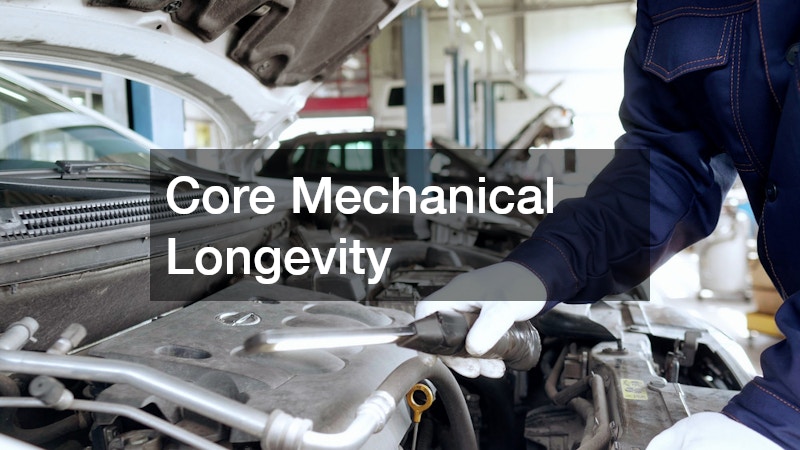
Beneath the sleek sheet metal and glossy paint lies a complex network of moving parts that requires constant attention to survive the punishing realities of daily driving. The components that keep your engine running smoothly and transmit power to the wheels represent the mechanical heart of your investment. Neglecting this section out of fear of the repair bill is a financial trap; mechanical issues never fix themselves, and they only become more expensive the longer you wait.
The Driver’s Playbook for Vetting a Reliable General Mechanic
Finding a high-quality auto repair shop is one of the most important steps you can take to protect your vehicle’s long-term health. Too many drivers wait until their car is actively breaking down on the side of the highway to look for a mechanic, forcing them to make a rushed decision based entirely on whichever tow truck company is available or whoever is closest.
To build a trusted relationship with a shop before an emergency strikes, use this vetting strategy:
-
Look for facilities that employ technicians certified by the National Institute for Automotive Service Excellence, as this guarantees a baseline level of professional knowledge.
-
Ask neighbors, coworkers, and family members for personal recommendations rather than relying solely on easily manipulated online reviews.
-
Schedule a minor, low-stakes service first, such as a routine oil change or tire rotation, to evaluate their customer service, communication style, and facility cleanliness.
-
Request a written, itemized estimate before authorizing any work, and ask the technician to clearly explain the difference between immediate safety needs and items that can wait a few months.
-
Ensure the shop offers a clear warranty on both parts and labor, typically spanning at least twelve months or twelve thousand miles.
When to Move Beyond General Maintenance for Specialized Drivetrain Care
While a quality general mechanic is perfect for oil changes, suspension work, and cooling system flushes, certain complex systems require highly specialized knowledge and tools. The intricate web of hydraulic valves, planetary gears, and electronic sensors inside modern gearboxes demands a level of diagnostic precision that general shops often cannot provide.
When your vehicle experiences severe slipping between gears, harsh shifting, delayed engagement, or random drops in power, bypassing the generalist and taking your vehicle straight to a dedicated transmission shop is often the smartest financial move. These specialized facilities possess advanced diagnostic software built specifically to read proprietary factory codes. They also have the specialized clean-room environments required to rebuild complex valve bodies without introducing microscopic dust particles that could ruin the entire unit.
Legal and High-Stakes Financial Protection

Owning a car involves navigating significant financial and legal responsibilities that extend far beyond the physical machine itself. Protecting yourself against unpredictable liabilities, accidents, and massive structural failures requires a proactive strategy. Managing these high-stakes expenses properly ensures that a single bad day on the road won’t completely wipe out your savings account.
Maximizing Coverage Value Without Overpaying Your Premium
Maintaining valid auto insurance is both a legal mandate across almost all jurisdictions and a critical financial safety net. However, many drivers view their monthly policy as a fixed utility bill, completely forgetting that insurance is a flexible product that should be audited and adjusted regularly to match their changing financial situation.
To optimize your coverage value without compromising your financial safety net, consider the following tactics:
-
Evaluate your deductibles carefully; raising your comprehensive and collision deductibles from two hundred and fifty dollars to one thousand dollars can slash your monthly premium significantly.
-
Bundle your automotive policy with your homeowners, renters, or life insurance to secure multi-policy discounts that companies reserve for loyal customers.
-
Ask about low-mileage discounts if your daily commute has shortened or if you have transitioned to working permanently from home.
-
Conduct a competitive shopping sweep at least once a year, gathering identical coverage quotes from multiple top-tier carriers to ensure your current rate remains truly competitive.
-
Remove collision and comprehensive coverage on older, high-mileage vehicles whose total market value is less than the cost of the deductible, combined with a few months of premium payments.
Calculating the Financial Tipping Point: Repairing the Powertrain vs. Buying New
One of the most stressful dilemmas a car owner can face is dealing with major powertrain failures. When faced with extensive transmission repairs, the sheer size of the estimate can easily trigger a wave of panic, causing many owners to immediately conclude that their vehicle is garbage and that they must take on a new, long-term car loan.
Before you rush out to a dealership lot, sit down with a calculator and run a cold, hard cost-benefit analysis. Compare the exact cost of the mechanical repair against the total cost of acquiring a replacement vehicle, factoring in higher tax rates, registration fees, and elevated insurance premiums. If your car is otherwise completely paid off, structurally sound, and free of rust, spending four thousand dollars to fix a major mechanical issue is almost always cheaper than taking on a forty-thousand-dollar loan with high interest rates over the next six years. Think of the repair cost not as a single painful blow, but as a path to buying yourself several more years of payment-free transportation.
Modern Paint and Body Longevity
Moving past pure mechanical survival brings us into the fascinating middle ground of car care: surface preservation. This is the ultimate hybrid zone where needs and wants overlap. While keeping your paint shiny might feel like a vain desire, protecting the underlying steel from moisture, road salt, and environmental damage is a genuine functional need that directly preserves the vehicle’s ultimate resale value.
Step-by-Step Maintenance Protocols to Preserve Factory Paint
Daily exposure to ultraviolet radiation, bird droppings, acid rain, and harsh industrial fallout constantly attacks your vehicle’s clear coat. Regular maintenance is necessary to prevent these contaminants from permanently etching into the surface. Utilizing professional auto detailing techniques at home can keep your car looking factory-fresh while completely preventing the onset of body oxidation.
To maintain your exterior surface correctly, adopt this methodical care routine:
-
Always practice the two-bucket wash method, using one dedicated bucket for clean soapy water and a second bucket equipped with a grit guard to rinse your wash mitt, preventing grit from scratching the paint.
-
Never wash your vehicle in direct sunlight or when the sheet metal is hot to the touch, as this causes soap to dry rapidly, creating stubborn water spots.
-
Use dedicated microfiber wash mitts and ultra-plush drying towels rather than old cotton t-shirts or abrasive beach towels that create tiny swirl marks.
-
Clean your wheels and tires first using a completely separate set of brushes and buckets to avoid transferring highly abrasive brake dust onto your delicate paintwork.
-
Apply a quality wax or sealant at least twice a year to create a sacrificial barrier that blocks UV rays and assists water in sheeting off the surfaces easily.
Advanced Surface Shielding: Deciding if Long-Term Paint Protection Fits Your Budget
For drivers looking to step up from traditional waxes, premium surface coatings represent an incredibly appealing option. Investing in a professional auto ceramic coating provides a semi-permanent, chemically bonded layer of liquid polymer that hardens into a glass-like shield over your factory paint. This protection offers incredible hydrophobic properties, making dirt slide off easily and keeping the car cleaner for much longer.
However, it is crucial to understand that this is a premium want rather than a strict mechanical necessity. While a high-end coating provides unmatched gloss and makes washing your car incredibly simple, it requires a significant upfront financial investment and meticulous paint correction beforehand to lock in a flawless look. If you are leasing a commuter vehicle that you plan to return in three years, or if you view your car purely as a utilitarian tool, traditional regular waxing is more than enough to protect the clear coat without breaking the bank.
The Purely Aesthetic Upgrades
At the far end of the spending spectrum sit the pure aesthetic upgrades. These modifications have absolutely nothing to do with basic safety, mechanical reliability, or legal compliance. They exist solely to satisfy our personal tastes, fulfill a creative vision, or turn heads at a local automotive gathering. While there is absolutely nothing wrong with investing in your passion, these expenses should only be pursued when all your fundamental mechanical needs are completely taken care of.
Stripping the Elements Safely: Preparing Heavy Metal for Restorations
When taking on a major project car, restoring a classic vehicle, or refreshing heavily weathered structural parts, dealing with deep rust and failing factory paint layers becomes a major hurdle. Leaving old oxidation underneath new finishes guarantees that your fresh paint will bubble and peel away within a matter of months.
Utilizing a professional sandblasting service is the gold standard for stripping a metal component completely down to a bare, uniform surface. By blasting specialized media at high velocities against the metal, technicians can easily clear away decades of corrosion, old filler, and caked-on grime from intricate crevices that manual sanding blocks could never hope to reach. This creates an ideal, microscopic texture that allows primers and protective coatings to bond tightly to the underlying metal, ensuring your aesthetic restoration work lasts for decades.
Upgrading Rims: Selecting Durable Finishes for Style and Longevity
One of the fastest ways to completely transform the visual stance and personality of any vehicle is to upgrade the factory wheels. While buying brand-new aftermarket wheels can cost thousands of dollars, many enthusiasts prefer a much smarter alternative: restoring or changing the color of their existing rims using highly durable industrial finishing techniques.
Opting to powder coating wheels is an incredibly popular choice for custom styling because it offers a level of durability that traditional liquid spray paint simply cannot match. The process involves electrostatically applying a dry, free-flowing plastic powder to the metal before baking it under intense heat to form a hard, resilient skin.
Before diving into this aesthetic upgrade, consider these specific tips:
-
Ensure the shop completely strips the old finish down to bare metal via chemical dipping or media blasting before applying the powder, as improper surface preparation leads to premature chipping.
-
Check that the curing oven temperatures will not compromise the structural integrity of specialized, heat-treated aluminum alloy wheels.
-
Choose a versatile color and finish texture, like satin or gloss, that complements the overall lines of your vehicle rather than chasing fleeting, hyper-bright color trends that can hurt your resale appeal.
-
Inspect the inner barrel of the wheel post-coating to ensure the mounting surfaces remain perfectly flat, preventing wheel vibration issues down the road.
Managing your automotive budget effectively does not mean you have to completely deny yourself the joy of styling or personalizing your ride. The key to financial peace of mind as a car owner is simply learning how to categorize your expenses honestly. By ensuring that your safety priorities, core mechanical needs, and legal protections are fully funded first, you can enjoy your aesthetic upgrades completely guilt-free, knowing your investment is built on a safe, reliable foundation.