Driving for decades builds confidence behind the wheel. Experienced drivers pride themselves on smooth gear shifts, intuitive road awareness, and a track record free of major accidents. However, driving experience does not automatically translate into mechanical expertise. In fact, many seasoned drivers unknowingly practice habits formed during the era of carbureted engines or heavy cast-iron blocks, habits that can quietly degrade modern powertrains engineered with tight tolerances, turbochargers, and complex aluminum alloys.
Thermal Shock and Temperature Management Blunders
The Cold-Start Acceleration Trap
One of the most widespread habits among drivers is starting the vehicle and immediately pulling into traffic or accelerating hard onto the highway. While modern fuel-injected engines no longer require the lengthy 10-minute driveway idling sessions that carbureted cars needed in winter, they still require a short warmup period.
Additionally, switching on maximum defrost or climate controls immediately upon starting puts an unnecessary auxiliary load on a cold engine. When the air conditioning compressor engages instantly to dehumidify cabin air, it places additional strain on a cold belt system that might already need AC repair or belt tension adjustment.
When an engine sits overnight, motor oil drains down into the oil pan, leaving upper engine components, such as the camshafts, valve train, and cylinder walls, with only a thin residual film of lubrication. Furthermore, cold oil is viscous and flows slowly. Accelerating hard before the oil pressure stabilizes and reaches operating temperature forces metal components to rub together without adequate lubrication film thickness.
The ideal habit is simple: start the vehicle, wait 30 to 60 seconds for oil pressure to build and engine RPM to drop to a normal idle, and then drive gently for the first three to five minutes until the temperature gauge reaches its midpoint.
Shutting Off Hot Engines and Managing Under-Hood Heat
Just as cold starts require gentle handling, ending a trip requires proper cooling, especially on vehicles equipped with turbochargers. When an engine operates under heavy load, such as climbing a steep grade, towing a trailer, or driving at sustained highway speeds, internal exhaust temperatures spike dramatically.
Shutting off the ignition immediately after heavy load stops the circulation of both engine oil and coolant. The residual heat inside the engine bay has nowhere to go. In turbocharged vehicles, oil trapped inside the red-hot turbo bearing housing can overheat and decompose, a process known as oil coking. Over time, coked oil leaves gritty carbon deposits that clog oil feed lines and score precision bearings, leading to sudden turbocharger failure.
Extreme engine bay heat also places heavy demands on secondary accessories. Running heavy cooling systems during hot summer idling conditions puts immense stress on belts, fan clutches, and compressors. If these components fail, driving without proper climate control repair leads to rapid engine overheating as the radiator cooling fans lose secondary support.
Parking over an unshaded asphalt driveway on a hot summer afternoon compounds under-hood thermal stress. Dark paving materials absorb intense solar radiation and radiate heat upward into the engine bay long after the vehicle is turned off, trapping ambient heat around rubber hoses, wiring harnesses, and plastic intake manifolds.
Fluid Neglect and Lubrication Misconceptions
Misunderstanding Modern Oil Life Monitors
Modern synthetic oils and advanced engine management systems have extended oil change intervals far beyond the traditional 3,000-mile rule. Many manufacturers now advertise 7,500- or 10,000-mile change intervals. Experienced drivers often rely entirely on digital dashboard Oil Life Monitors (OLM) to tell them when service is needed.
Check your dipstick manually every 1,000 miles to verify oil level and clarity. If your driving consists mostly of city traffic, short commutes, or extreme temperatures, change your oil every 5,000 miles or six months regardless of what the dashboard display indicates.
Ignoring Subtle Fluid Contamination and System Faults
Engine preservation requires monitoring more than just motor oil. Coolant, brake fluid, transmission fluid, and power steering fluid all play vital roles in overall powertrain health. Over time, engine coolant loses its chemical rust inhibitors and turns acidic. Acidic coolant eats away at radiator cores, heater cores, head gaskets, and water pump impellers from the inside out.
Ignoring minor coolant leaks or small check engine lights is a dangerous game. A small vacuum leak or a failing mass airflow sensor can cause an engine to run “lean” (too much air, not enough fuel), which drastically increases combustion chamber temperatures and can melt spark plug electrodes or burn exhaust valves.
When minor driveability issues or fluid leaks appear, visit a trusted auto repair service promptly. Addressing a small sensor fault, thermostat sticking issue, or belt tensioner replacement early prevents minor mechanical faults from cascading into catastrophic engine failures.
Driving Habits That Destroy Powertrains
Lugging the Engine in High Gears
Many experienced drivers who learned on manual transmissions, or who use manual paddle shifters on modern automatic transmissions, believe that keeping engine RPM as low as possible always saves fuel. While cruising at low RPM does improve fuel efficiency, accelerating hard while the engine is in a high gear creates a condition known as engine lugging.
Engine lugging occurs when you demand high load from the engine at low rotational speeds (typically below 2,000 RPM). When you press the accelerator pedal to the floor in a high gear, the engine computer dumps fuel into the cylinders and increases turbocharger boost, but the low crankshaft speed prevents the engine from converting that energy smoothly into momentum.
In modern direct-injected, turbocharged engines, lugging can trigger Low-Speed Pre-Ignition (LSPI). LSPI occurs when fuel droplets ignite prematurely during the compression stroke, creating violent pressure spikes that can crack pistons, bend connecting rods, and shatter spark plug insulators instantly. Always downshift to a lower gear before accelerating or climbing steep grades to keep engine RPM in its optimal power band.
Ignoring Minor Front-End Undercarriage Damage
Even cautious drivers occasionally clip curb stops, strike road debris, or bottom out on steep driveways. Because the car continues to drive normally and the damage appears purely cosmetic, many drivers ignore the scraping noise or minor bumper damage.
However, modern engine bays are tightly packaged. Impacting a curb can push front crossmembers upward, shift radiator support brackets, or bend structural subframes. Even minor underbody impacts can crack plastic splash shields, exposing delicate drive belts, oil pans, and air intake systems to road spray and flying stones.
A bent bumper or damaged lower apron can distort the alignment of the radiator or air conditioning condenser, restricting cooling airflow to the engine bay. Arranging prompt auto dent repairs on lower body panels restores original body contours and maintains proper engine cooling airflow.
Ignoring small indentations on front panels or undercarriage supports can allow minor structural shifts to stress engine mounts, causing harsh vibration and accelerated wear on CV joints and drive axles. Seeking professional dent repair for lower frame rails and valances ensures that structural mounting points remain square and uncompromised.
Environmental & Collateral Damage Risks
Neglecting Glass Seals and Electrical Water Intrusion
Modern engines are governed by complex electronic control units (ECUs), engine management sensors, and intricate wiring harnesses. A common yet unrecognized cause of mysterious engine failures is water intrusion originating from damaged window seals and compromised cowls.
The plastic cowl panel at the base of the windshield collects rainwater and routes it safely through drain channels away from the engine bay. Over time, pine needles, leaves, and dirt clog these drains. Water backs up and overflows into the engine compartment, dripping directly onto fuse boxes, ground straps, and primary wiring looms.
-
Clear Cowl Drains: Remove leaves, dirt, and pine needles from the base of the windshield monthly to keep water flowing freely.
-
Check Firewall Grommets: Verify rubber seals around main wiring harnesses are secure and uncracked.
A chipped or cracked windshield can also compromise the watertight seal around the upper firewall. Water leaking past a damaged windshield frame runs down behind the dashboard, corroding engine control module connectors and causing short circuits that disrupt ignition timing, fuel injector pulsing, and sensor readings.
If your vehicle suffers a rock chip or stress crack across the front windshield, arrange an immediate auto glass repair. Securing the windshield’s structural integrity prevents water from penetrating electronic module housings and protects your engine’s electrical architecture from short circuits.
Structural Collisions and Collision Aftermath
Even a minor front-end fender bender can cause hidden mechanical issues. High-impact energy travels through the vehicle structure, and components that appear intact on the surface may suffer internal damage.
When a vehicle receives a front-end impact, the engine mounts absorb a significant portion of the force. Fractured rubber or hydraulic engine mounts allow the powertrain to shift out of alignment, placing binding stress on driveshafts, exhaust manifolds, and cooling hoses. Furthermore, low-speed impacts can push the radiator into the engine fan, cause hairline fractures in aluminum engine blocks, or crack plastic oil filter housings.
Following any accident, taking your vehicle to a certified auto body shop is critical for safety and mechanical integrity. A thorough structural inspection verifies frame alignment, measures radiator support tolerances, and confirms that internal engine cradles have not shifted under impact force.
A comprehensive post-impact mechanical inspection should always cover key areas:
-
Inspect engine and transmission mounts for cracked rubber or leaking hydraulic fluid.
-
Pressure-test the cooling system for hairline radiator or hose fitting cracks.
-
Verify drive belt and accessory pulley alignment.
-
Check aluminum engine oil pan and transmission pan for fine stress fractures.
Financial Consequences & End-of-Life Decisions
Managing Mobility and Insurance Claims After Severe Loss
When an engine suffers catastrophic damage, whether from hydro-locking in deep standing water, thermal meltdown from a cracked radiator, or severe collision impact, the repair process can take weeks. Major powertrain repairs require extensive teardowns, sourcing specialized parts, and precision machining.
During lengthy mechanical overhauls, maintaining personal mobility is essential. Utilizing a temporary car rental service through your insurance policy ensures your daily schedule remains uninterrupted while technicians assess mechanical damage and perform engine rebuilds or replacements.
If the engine damage was caused by a third-party traffic accident, road hazard, or municipal negligence (such as an unmarked open trench or hazardous debris), navigating the financial recovery process requires thorough documentation. You will need a detailed diagnostic report with a written tear-down analysis from a certified mechanic, towing and on-scene records including photos of fluid spills, your vehicle’s complete maintenance history to rule out pre-existing neglect, and comprehensive rental receipts covering alternative transportation expenses during downtime.
Engaging experienced car accident law firms helps protect your financial rights when an accident leads to severe powertrain loss or diminished vehicle value. Legal representation ensures that insurance settlements cover the full cost of engine replacement, secondary mechanical repairs, and rental transportation rather than forcing you to pay out-of-pocket for someone else’s mistake.
Knowing When an Engine Is Beyond Financial Repair
Despite your best efforts, every engine eventually reaches the end of its practical lifespan. When a major mechanical failure occurs on an older vehicle, such as a thrown connecting rod, cracked engine block, or severe internal metal contamination, owners face a difficult financial decision: replace the engine or part ways with the car.
Deciding whether to replace a dead engine involves a few practical rules of thumb:
-
As a general guideline, if the cost of a replacement engine exceeds 50% to 60% of the vehicle’s total market value, replacement is rarely financially sound.
-
Consider secondary wear factors; replacing a dead engine in a car with a failing transmission, rusty frame, and worn suspension often leads to escalating repair bills down the road.
When severe mechanical failure renders a vehicle beyond economical repair, holding onto the vehicle in a driveway or paying ongoing storage fees at a repair yard only deepens the financial loss.
In these situations, liquidating the non-running vehicle for cash for a car provides an immediate cash payout without the hassle of private sales or expensive towing fees. Auto buyers assess the vehicle’s remaining salvageable parts, metal weight, and recyclable components, offering a clean, simple way to recoup value from a dead engine and apply those funds toward a reliable new vehicle.
Preventing premature engine failure does not require complex mechanical knowledge, it simply requires shifting from reactive repairs to proactive preservation. By eliminating cold-start abuse, managing thermal stress, keeping up with fluid changes, and addressing minor body and glass damage before it affects under-hood electronics, you can preserve your engine’s power, fuel efficiency, and reliability for years to come.
Treat your engine as a precision thermal system rather than an indestructible mechanical box, and it will reward you with hundreds of thousands of miles of dependable service.
Driving for decades builds confidence behind the wheel. Experienced drivers pride themselves on smooth gear shifts, intuitive road awareness, and a track record free of major accidents. However, driving experience does not automatically translate into mechanical expertise. In fact, many seasoned drivers unknowingly practice habits formed during the era of carbureted engines or heavy cast-iron blocks, habits that can quietly degrade modern powertrains engineered with tight tolerances, turbochargers, and complex aluminum alloys.
Thermal Shock and Temperature Management Blunders
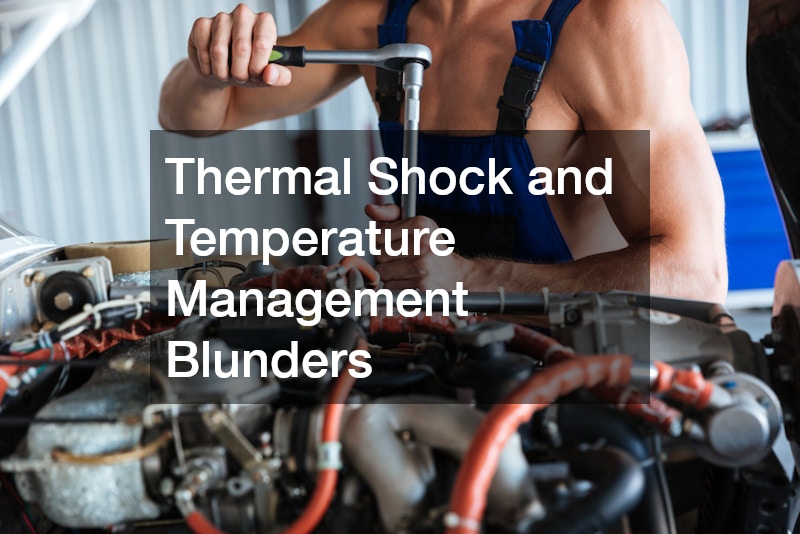
The Cold-Start Acceleration Trap
One of the most widespread habits among drivers is starting the vehicle and immediately pulling into traffic or accelerating hard onto the highway. While modern fuel-injected engines no longer require the lengthy 10-minute driveway idling sessions that carbureted cars needed in winter, they still require a short warmup period.
Additionally, switching on maximum defrost or climate controls immediately upon starting puts an unnecessary auxiliary load on a cold engine. When the air conditioning compressor engages instantly to dehumidify cabin air, it places additional strain on a cold belt system that might already need AC repair or belt tension adjustment.
When an engine sits overnight, motor oil drains down into the oil pan, leaving upper engine components, such as the camshafts, valve train, and cylinder walls, with only a thin residual film of lubrication. Furthermore, cold oil is viscous and flows slowly. Accelerating hard before the oil pressure stabilizes and reaches operating temperature forces metal components to rub together without adequate lubrication film thickness.
The ideal habit is simple: start the vehicle, wait 30 to 60 seconds for oil pressure to build and engine RPM to drop to a normal idle, and then drive gently for the first three to five minutes until the temperature gauge reaches its midpoint.
Shutting Off Hot Engines and Managing Under-Hood Heat
Just as cold starts require gentle handling, ending a trip requires proper cooling, especially on vehicles equipped with turbochargers. When an engine operates under heavy load, such as climbing a steep grade, towing a trailer, or driving at sustained highway speeds, internal exhaust temperatures spike dramatically.
Shutting off the ignition immediately after heavy load stops the circulation of both engine oil and coolant. The residual heat inside the engine bay has nowhere to go. In turbocharged vehicles, oil trapped inside the red-hot turbo bearing housing can overheat and decompose, a process known as oil coking. Over time, coked oil leaves gritty carbon deposits that clog oil feed lines and score precision bearings, leading to sudden turbocharger failure.
Extreme engine bay heat also places heavy demands on secondary accessories. Running heavy cooling systems during hot summer idling conditions puts immense stress on belts, fan clutches, and compressors. If these components fail, driving without proper climate control repair leads to rapid engine overheating as the radiator cooling fans lose secondary support.
Parking over an unshaded asphalt driveway on a hot summer afternoon compounds under-hood thermal stress. Dark paving materials absorb intense solar radiation and radiate heat upward into the engine bay long after the vehicle is turned off, trapping ambient heat around rubber hoses, wiring harnesses, and plastic intake manifolds.
Fluid Neglect and Lubrication Misconceptions
Misunderstanding Modern Oil Life Monitors
Modern synthetic oils and advanced engine management systems have extended oil change intervals far beyond the traditional 3,000-mile rule. Many manufacturers now advertise 7,500- or 10,000-mile change intervals. Experienced drivers often rely entirely on digital dashboard Oil Life Monitors (OLM) to tell them when service is needed.
Check your dipstick manually every 1,000 miles to verify oil level and clarity. If your driving consists mostly of city traffic, short commutes, or extreme temperatures, change your oil every 5,000 miles or six months regardless of what the dashboard display indicates.
Ignoring Subtle Fluid Contamination and System Faults
Engine preservation requires monitoring more than just motor oil. Coolant, brake fluid, transmission fluid, and power steering fluid all play vital roles in overall powertrain health. Over time, engine coolant loses its chemical rust inhibitors and turns acidic. Acidic coolant eats away at radiator cores, heater cores, head gaskets, and water pump impellers from the inside out.
Ignoring minor coolant leaks or small check engine lights is a dangerous game. A small vacuum leak or a failing mass airflow sensor can cause an engine to run “lean” (too much air, not enough fuel), which drastically increases combustion chamber temperatures and can melt spark plug electrodes or burn exhaust valves.
When minor driveability issues or fluid leaks appear, visit a trusted auto repair service promptly. Addressing a small sensor fault, thermostat sticking issue, or belt tensioner replacement early prevents minor mechanical faults from cascading into catastrophic engine failures.
Driving Habits That Destroy Powertrains

Lugging the Engine in High Gears
Many experienced drivers who learned on manual transmissions, or who use manual paddle shifters on modern automatic transmissions, believe that keeping engine RPM as low as possible always saves fuel. While cruising at low RPM does improve fuel efficiency, accelerating hard while the engine is in a high gear creates a condition known as engine lugging.
Engine lugging occurs when you demand high load from the engine at low rotational speeds (typically below 2,000 RPM). When you press the accelerator pedal to the floor in a high gear, the engine computer dumps fuel into the cylinders and increases turbocharger boost, but the low crankshaft speed prevents the engine from converting that energy smoothly into momentum.
In modern direct-injected, turbocharged engines, lugging can trigger Low-Speed Pre-Ignition (LSPI). LSPI occurs when fuel droplets ignite prematurely during the compression stroke, creating violent pressure spikes that can crack pistons, bend connecting rods, and shatter spark plug insulators instantly. Always downshift to a lower gear before accelerating or climbing steep grades to keep engine RPM in its optimal power band.
Ignoring Minor Front-End Undercarriage Damage
Even cautious drivers occasionally clip curb stops, strike road debris, or bottom out on steep driveways. Because the car continues to drive normally and the damage appears purely cosmetic, many drivers ignore the scraping noise or minor bumper damage.
However, modern engine bays are tightly packaged. Impacting a curb can push front crossmembers upward, shift radiator support brackets, or bend structural subframes. Even minor underbody impacts can crack plastic splash shields, exposing delicate drive belts, oil pans, and air intake systems to road spray and flying stones.
A bent bumper or damaged lower apron can distort the alignment of the radiator or air conditioning condenser, restricting cooling airflow to the engine bay. Arranging prompt auto dent repairs on lower body panels restores original body contours and maintains proper engine cooling airflow.
Ignoring small indentations on front panels or undercarriage supports can allow minor structural shifts to stress engine mounts, causing harsh vibration and accelerated wear on CV joints and drive axles. Seeking professional dent repair for lower frame rails and valances ensures that structural mounting points remain square and uncompromised.
Environmental & Collateral Damage Risks

Neglecting Glass Seals and Electrical Water Intrusion
Modern engines are governed by complex electronic control units (ECUs), engine management sensors, and intricate wiring harnesses. A common yet unrecognized cause of mysterious engine failures is water intrusion originating from damaged window seals and compromised cowls.
The plastic cowl panel at the base of the windshield collects rainwater and routes it safely through drain channels away from the engine bay. Over time, pine needles, leaves, and dirt clog these drains. Water backs up and overflows into the engine compartment, dripping directly onto fuse boxes, ground straps, and primary wiring looms.
- Clear Cowl Drains: Remove leaves, dirt, and pine needles from the base of the windshield monthly to keep water flowing freely.
- Check Firewall Grommets: Verify rubber seals around main wiring harnesses are secure and uncracked.
A chipped or cracked windshield can also compromise the watertight seal around the upper firewall. Water leaking past a damaged windshield frame runs down behind the dashboard, corroding engine control module connectors and causing short circuits that disrupt ignition timing, fuel injector pulsing, and sensor readings.
If your vehicle suffers a rock chip or stress crack across the front windshield, arrange an immediate auto glass repair. Securing the windshield’s structural integrity prevents water from penetrating electronic module housings and protects your engine’s electrical architecture from short circuits.
Structural Collisions and Collision Aftermath
Even a minor front-end fender bender can cause hidden mechanical issues. High-impact energy travels through the vehicle structure, and components that appear intact on the surface may suffer internal damage.
When a vehicle receives a front-end impact, the engine mounts absorb a significant portion of the force. Fractured rubber or hydraulic engine mounts allow the powertrain to shift out of alignment, placing binding stress on driveshafts, exhaust manifolds, and cooling hoses. Furthermore, low-speed impacts can push the radiator into the engine fan, cause hairline fractures in aluminum engine blocks, or crack plastic oil filter housings.
Following any accident, taking your vehicle to a certified auto body shop is critical for safety and mechanical integrity. A thorough structural inspection verifies frame alignment, measures radiator support tolerances, and confirms that internal engine cradles have not shifted under impact force.
A comprehensive post-impact mechanical inspection should always cover key areas:
- Inspect engine and transmission mounts for cracked rubber or leaking hydraulic fluid.
- Pressure-test the cooling system for hairline radiator or hose fitting cracks.
- Verify drive belt and accessory pulley alignment.
- Check aluminum engine oil pan and transmission pan for fine stress fractures.
Financial Consequences & End-of-Life Decisions

Managing Mobility and Insurance Claims After Severe Loss
When an engine suffers catastrophic damage, whether from hydro-locking in deep standing water, thermal meltdown from a cracked radiator, or severe collision impact, the repair process can take weeks. Major powertrain repairs require extensive teardowns, sourcing specialized parts, and precision machining.
During lengthy mechanical overhauls, maintaining personal mobility is essential. Utilizing a temporary car rental service through your insurance policy ensures your daily schedule remains uninterrupted while technicians assess mechanical damage and perform engine rebuilds or replacements.
If the engine damage was caused by a third-party traffic accident, road hazard, or municipal negligence (such as an unmarked open trench or hazardous debris), navigating the financial recovery process requires thorough documentation. You will need a detailed diagnostic report with a written tear-down analysis from a certified mechanic, towing and on-scene records including photos of fluid spills, your vehicle’s complete maintenance history to rule out pre-existing neglect, and comprehensive rental receipts covering alternative transportation expenses during downtime.
Engaging experienced car accident law firms helps protect your financial rights when an accident leads to severe powertrain loss or diminished vehicle value. Legal representation ensures that insurance settlements cover the full cost of engine replacement, secondary mechanical repairs, and rental transportation rather than forcing you to pay out-of-pocket for someone else’s mistake.
Knowing When an Engine Is Beyond Financial Repair
Despite your best efforts, every engine eventually reaches the end of its practical lifespan. When a major mechanical failure occurs on an older vehicle, such as a thrown connecting rod, cracked engine block, or severe internal metal contamination, owners face a difficult financial decision: replace the engine or part ways with the car.
Deciding whether to replace a dead engine involves a few practical rules of thumb:
- As a general guideline, if the cost of a replacement engine exceeds 50% to 60% of the vehicle’s total market value, replacement is rarely financially sound.
- Consider secondary wear factors; replacing a dead engine in a car with a failing transmission, rusty frame, and worn suspension often leads to escalating repair bills down the road.
When severe mechanical failure renders a vehicle beyond economical repair, holding onto the vehicle in a driveway or paying ongoing storage fees at a repair yard only deepens the financial loss.
In these situations, liquidating the non-running vehicle for cash for a car provides an immediate cash payout without the hassle of private sales or expensive towing fees. Auto buyers assess the vehicle’s remaining salvageable parts, metal weight, and recyclable components, offering a clean, simple way to recoup value from a dead engine and apply those funds toward a reliable new vehicle.
Preventing premature engine failure does not require complex mechanical knowledge, it simply requires shifting from reactive repairs to proactive preservation. By eliminating cold-start abuse, managing thermal stress, keeping up with fluid changes, and addressing minor body and glass damage before it affects under-hood electronics, you can preserve your engine’s power, fuel efficiency, and reliability for years to come.
Treat your engine as a precision thermal system rather than an indestructible mechanical box, and it will reward you with hundreds of thousands of miles of dependable service.