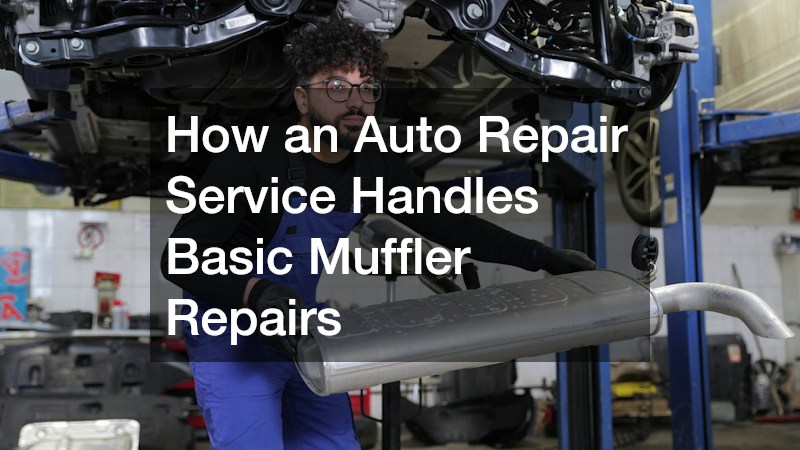
A vehicle’s exhaust system plays an important role in managing engine emissions, reducing noise, and directing exhaust gases away from the passenger compartment. The muffler is a key component of this system, helping keep engine noise at manageable levels while supporting proper exhaust flow. Over time, exposure to heat, moisture, road debris, and corrosion can cause muffler components to deteriorate, making repairs necessary.
Understanding how a technician approaches muffler problems can help drivers recognize when their vehicles need attention. From identifying unusual noises to repairing damaged connections, an auto repair professional follows a systematic process to determine the source of the problem and restore the exhaust system’s function.
Identifying Common Muffler Problems
Muffler problems often become noticeable through changes in engine noise. A vehicle that suddenly sounds louder than usual, produces a deep rumble, or makes rattling noises while idling may have an exhaust system issue. These sounds can indicate a hole in the muffler, a loose mounting component, or damage to a nearby exhaust pipe. Although some noises may seem minor initially, they can become more pronounced as the underlying problem worsens.
Rust and corrosion are also common causes of muffler damage. Because the exhaust system experiences repeated heating and cooling, moisture can accumulate inside and around its components. Road salt and water can accelerate corrosion on exterior surfaces, particularly in areas where winter weather is common. Over time, rust may weaken the metal, creating holes that allow exhaust gases and noise to escape before reaching the end of the exhaust system.
Technicians also look for physical signs of damage during an inspection. Dents from road debris, cracked welds, loose hangers, and deteriorating clamps can interfere with the muffler’s stability or performance. A vehicle may develop a noticeable vibration if the muffler or its supporting hardware becomes loose. In some cases, the symptoms originate in another exhaust component rather than the muffler itself, so identifying the precise location of the problem is essential.
Inspecting the Exhaust System and Choosing a Repair
Once a vehicle arrives at the shop, the technician begins by gathering information about the symptoms. The driver may describe when the noise occurs, whether it changes with engine speed, or whether the vehicle has recently struck road debris. These details help narrow down potential causes and guide the inspection. The technician may also check for warning lights or other symptoms that suggest a separate engine or emissions problem.
A visual inspection typically follows. With the vehicle properly supported and the exhaust system cool enough to examine safely, the technician checks the muffler, exhaust pipes, joints, clamps, and hangers for leaks or deterioration. Depending on the symptoms, additional diagnostic checks may be necessary to pinpoint the source of unusual sounds or exhaust leakage. This process helps prevent unnecessary repairs to components that are still functioning correctly.
The recommended solution depends on the extent of the damage, the condition of surrounding components, and the vehicle’s design. An experienced auto repair technician can explain the available options, including the expected cost and whether related exhaust parts need attention. This assessment allows vehicle owners to understand the reasons behind the recommendation rather than paying for work that does not address the underlying issue.
Completing Muffler Repairs and Checking Performance
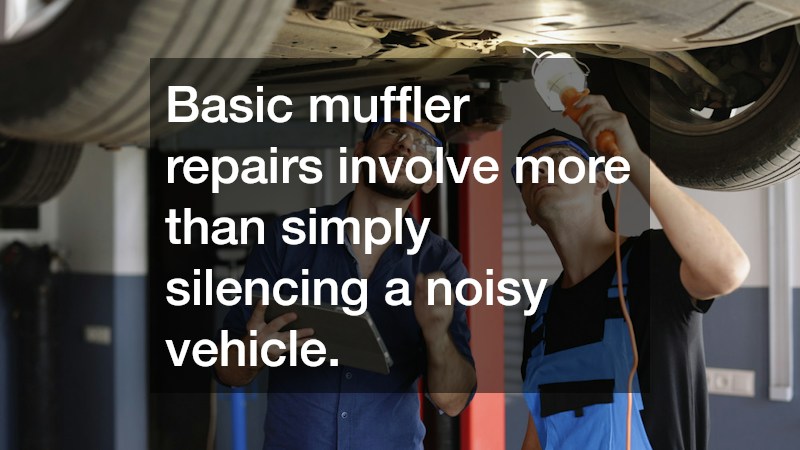
For a repair involving loose hardware, the technician may tighten connections, replace worn clamps, or install new hangers to stabilize the exhaust system. These components help keep the muffler properly positioned and reduce movement caused by engine vibration and road conditions. Correcting these smaller issues can eliminate rattling noises and help prevent additional stress on exhaust pipes and joints.
When the muffler itself has deteriorated beyond practical repair, replacement is often the most reliable solution. The technician removes the damaged component and installs a compatible replacement designed for the vehicle. Depending on the exhaust system’s construction, this process may involve disconnecting clamps, removing corroded fasteners, or cutting away sections that cannot be separated normally. The new muffler must fit correctly and connect securely to the surrounding exhaust components.
Basic muffler repairs involve more than simply silencing a noisy vehicle. Auto repair technicians must identify the source of the problem, evaluate the condition of the exhaust system, select an appropriate repair, and verify that the completed work addresses the original symptoms. Whether the solution involves replacing loose hardware or installing a new muffler, a thorough approach helps support safe and reliable vehicle operation.