The modern automotive market has undergone a radical shift. While the allure of a “new car smell” remains potent, savvy drivers are increasingly turning toward the used market to find value, character, and financial freedom. This strategic shift allows owners to bypass the heaviest years of depreciation while investing those savings back into the vehicle’s longevity and style. However, purchasing a pre-owned vehicle is only the first step in a much longer journey. The true magic happens in the driveway and the garage, where a “used” machine is transformed into a reliable, high-performing “forever car.”
Maintaining a vehicle with 50,000, 100,000, or even 200,000 miles requires a different mindset than owning a new one. You aren’t just following a digital service light; you are becoming a steward of mechanical systems, an interior restorer, and a protector of aging paint. This guide provides an exhaustive roadmap for the used car enthusiast, covering everything from the critical mechanical foundations to the aesthetic flourishes that make a car truly yours. By investing time and strategic effort, you can enjoy a driving experience that rivals a brand-new luxury vehicle at a fraction of the cost.
Establishing a Mechanical Baseline
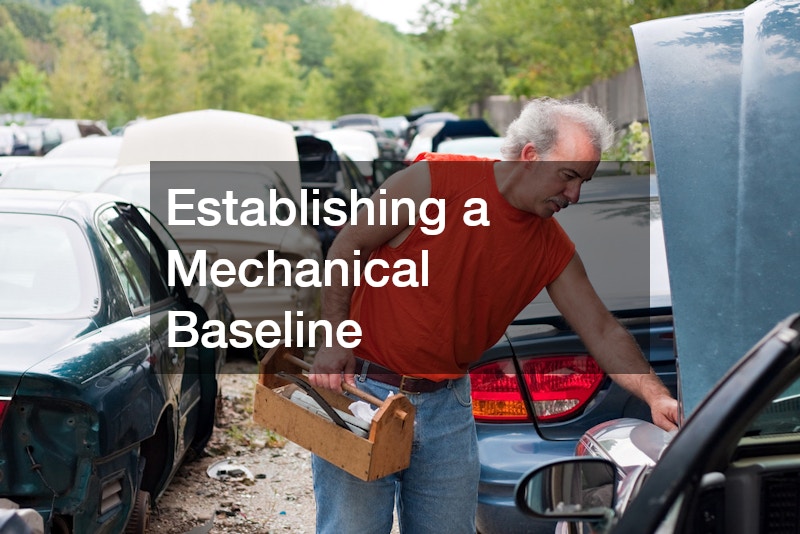
When you drive away from a used car dealer, the clock starts on your personal maintenance log. Even if the salesperson promised a multi-point inspection, a truly dedicated owner performs their own audit. The goal here is to establish a “baseline”—a point where you know exactly when every fluid was changed, and every wear item was inspected.
The first priority should always be the systems that keep you safe. Among these, the friction-based components are the most vital. Over time, heat and friction cause degradation that can lead to increased stopping distances or steering wheel vibration. Addressing a comprehensive brake repair is often the best first investment you can make. This shouldn’t just involve slapping on a new set of pads. A professional-grade baseline includes:
-
Rotor Inspection: Measuring thickness with a micrometer to ensure they aren’t below the discard limit.
-
Caliper Servicing: Cleaning and lubricating the slide pins to prevent uneven wear.
-
Fluid Flush: Brake fluid is hygroscopic, meaning it absorbs water over time. Flushing the old, dark fluid with fresh DOT 3 or DOT 4 ensures your boiling point remains high for mountain descents or emergency stops.
Beyond the brakes, the engine’s “lifeblood” requires immediate attention. Even if the oil looks clean on the dipstick, changing it gives you a chance to inspect the old filter for metal shavings—a silent storyteller of the engine’s internal health. This is also the time to look for affordable classics that may be hidden under layers of grime. Many older vehicles from the late 90s and early 2000s are built with a level of mechanical simplicity that makes them incredibly rewarding to maintain, provided you catch the small issues before they become catastrophic failures.
Maximizing Engine Efficiency and Longevity
Beyond the basic oil change, revitalizing a used engine requires a deep dive into the air and fuel delivery systems. Over tens of thousands of miles, carbon deposits naturally accumulate on intake valves and fuel injectors, particularly in modern direct-injection engines. This buildup chokes the engine’s breathing, leading to sluggish acceleration and decreased fuel economy. Utilizing a high-quality intake valve cleaner or a professional fuel system service can strip away these deposits, restoring the “pep” the car had when it first left the showroom.
Furthermore, don’t overlook the cooling system, which is the primary guardian against engine failure. Plastic radiator tanks and rubber hoses become brittle with age and heat cycles. Replacing these components proactively—rather than waiting for a roadside emergency—is a hallmark of expert ownership. Swapping out an old thermostat and water pump during a timing belt service ensures that the engine operates at its optimal thermal range, preventing the warped cylinder heads that often spell the end for older vehicles. By ensuring the engine can breathe, drink, and stay cool, you extend its lifespan by years.
Restoring the Exterior Envelope
The exterior of a used car is its first line of defense against the elements. Most used vehicles suffer from “sandblasting”—the result of years of road debris hitting the front fascia. If you are looking to revitalize the look of your vehicle, you must start with the glass and the metal.
Visibility is a safety issue that many owners overlook until it is too late. A pitted or cracked windshield doesn’t just look bad; it compromises the structural integrity of the roof in a rollover accident and can cause glare that blinds you during sunset drives. Seeking out a professional car windshield replacement is one of the most transformative “bang-for-your-buck” upgrades. Modern glass technology often offers better UV protection than the original glass from a decade ago, keeping your interior cooler and protecting your dashboard from cracking.
Once the glass is clear, turn your attention to the body. Dents, dings, and scratches are inevitable, but they shouldn’t be ignored. Even small chips can lead to oxidation and rust, especially in “salt belt” states. Engaging in high-quality car body repairs can prevent a small blemish from turning into a structural nightmare.
-
Paint Correction: Use a clay bar to remove embedded contaminants, followed by a dual-action polisher to remove swirl marks.
-
Panel Alignment: Sometimes a “cheap” feeling car is just a matter of a sagging door or a misaligned hood. Adjusting hinges can make the car feel solid again.
-
Plastic Restoration: Use a heat gun or specialized trim restorers to turn gray, faded bumpers back to a deep, factory black.
Long-Term Surface Protection
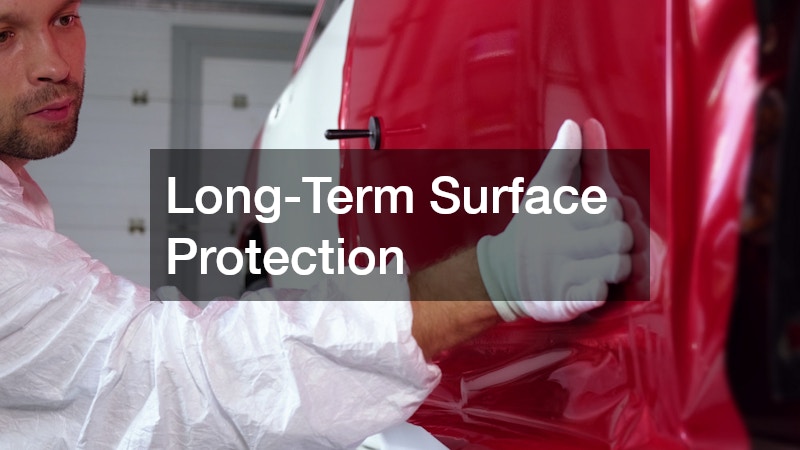
Once the body is straight and the paint is polished, the next step is preservation. In the past, a coat of wax was the gold standard. Today, we have access to aerospace-grade materials that can keep a used car looking pristine for years.
For those who want the ultimate in chip protection, especially on the leading edges of the vehicle, a ppf film is the industry standard. This transparent urethane layer acts as a sacrificial skin. When a rock hits your hood, it bounces off the film rather than chipping the paint. This is particularly important for those who have just invested in bodywork and want to ensure the investment lasts.
If you are driving a used truck, the exterior protection extends to the utility of the vehicle. A truck bed is often the most abused part of a vehicle, prone to scratches that lead to rust. Installing a high-quality bed cover serves two purposes: it protects the bed from the elements and provides a secure, aerodynamic space for your cargo.
-
Hard Tri-Fold Covers: Offer maximum security and can support significant weight.
-
Soft Roll-Up Covers: Provide a sleek look and are the most budget-friendly option for keeping rain out.
-
Retractable Covers: The “luxury” option that allows for incremental opening and a very low profile.
Enhancing Driving Dynamics through Suspension
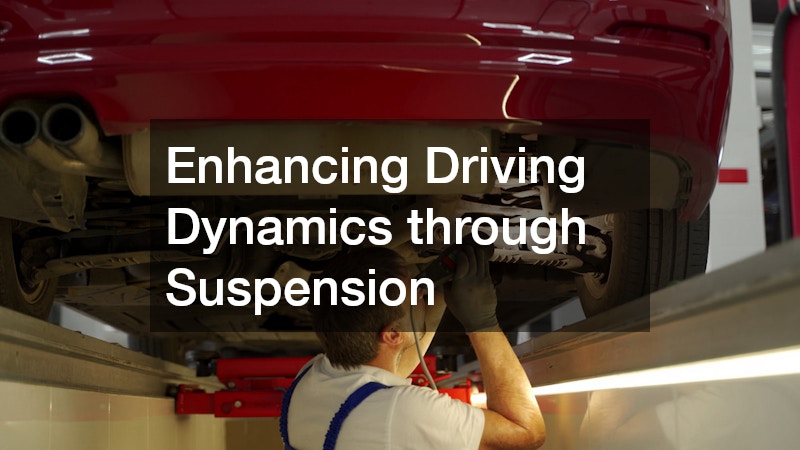
A used car often suffers from a “tired” ride, characterized by excessive body roll in corners or a floaty sensation over highway dips. This is usually due to the gradual wear of shocks, struts, and rubber bushings, which lose their damping ability so slowly that the driver may not notice the degradation. Replacing these components can fundamentally transform the vehicle’s character, making it feel tight and responsive once more. For those looking for a subtle upgrade, installing slightly stiffer polyurethane bushings can sharpen the steering response without sacrificing daily ride quality.
The suspension is also the key to reducing the “clunks” and “rattles” that make a car feel old. Ball joints, tie rod ends, and sway bar links are relatively inexpensive parts that have a massive impact on how the car tracks down the road. When these components are fresh, the car requires fewer steering corrections, reducing driver fatigue on long journeys. Taking the time to refresh the underpinnings ensures that your vehicle doesn’t just look the part, but handles with the precision and safety of a much newer machine.
Creating a Premium Cabin Experience
We spend 100% of our driving time inside the car, yet the interior is often the most neglected area of used car maintenance. A deep-cleaned, upgraded interior can make a fifteen-year-old car feel like a modern luxury cruiser.
Start with the ergonomics. Used seats often have collapsed foam or stretched leather. Rather than spending thousands on reupholstering, you can use a high-quality back cushion set to restore the original driving position and provide lumbar support that the factory may have omitted. This is especially helpful for older “commuter” cars, where the seats were designed for short trips rather than long-distance comfort.
To truly modernize the cabin, look toward your local auto accessories shop. The aftermarket industry has exploded with “plug-and-play” upgrades that bring technology to older vehicles. Consider the following:
-
Ambient Lighting: Substantial LED strips tucked into the footwells or dash seams can mimic the “mood lighting” found in new luxury cars.
-
Sound Deadening: Applying butyl rubber sheets inside the door panels can cut road noise by 50%, making the cabin feel much more “vault-like.”
-
Updated Interface: Installing a modern head unit with wireless connectivity is the single best way to make an old car feel relevant.
The Strategy of Preventive Electrical Maintenance
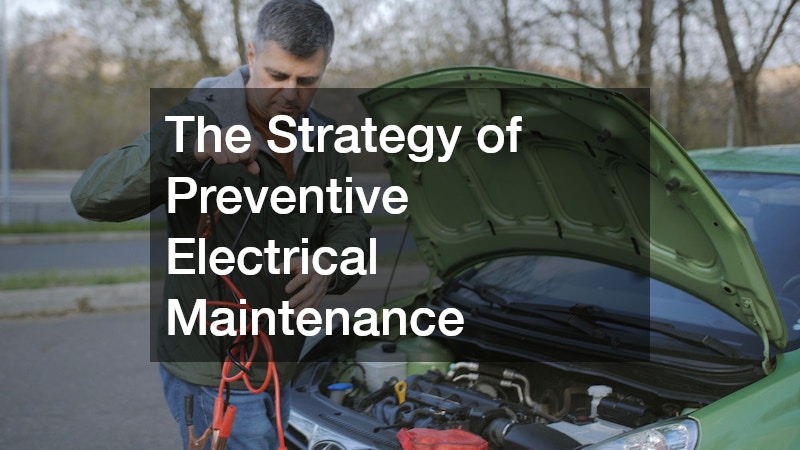
As vehicles age, their electrical systems often become the source of mysterious gremlins. Most of these issues can be traced back to poor grounding or aging batteries that no longer hold a consistent voltage. A proactive owner should regularly clean the battery terminals and inspect the ground straps that connect the engine and chassis. Corrosion at these points increases resistance, forcing the alternator to work harder and potentially damaging sensitive electronic control units.
In addition to physical connections, it is wise to monitor the health of the charging system. Most modern auto parts stores provide free alternator and battery load testing. Catching a weak cell in a battery before the first freeze of winter or a cross-country road trip is the difference between a successful journey and an expensive tow. For older cars with more complex electronics, consider an upgrade to the main power and ground wires—using thicker gauge cabling—to stabilize the voltage. This simple electrical housekeeping ensures that everything from your headlights to your infotainment system operates at peak performance.
Advanced Visibility and Signaling
As we move into the finer details of car ownership, we must consider how the vehicle interacts with its environment at night. Older headlight technology—specifically halogen bulbs in plastic housings—tends to yellow and dim over time.
While headlight restoration kits can clear up the lenses, the actual output often needs a boost. For those who use their vehicles for work or want to stand out in a crowd, adding an led sign or specialized auxiliary lighting can provide both functional and aesthetic benefits. Whether it’s a subtly lit logo for a car club or a functional display for a delivery vehicle, modern LED technology is efficient and long-lasting.
-
Projector Retros: Swapping old reflectors for modern projectors provides a sharp “cutoff” line that doesn’t blind oncoming traffic.
-
LED Interior Swaps: Replacing dull yellow incandescent bulbs with crisp white LEDs makes the interior feel cleaner and more modern.
-
Fog Light Upgrades: Yellow-tinted selective yellow fogs can drastically improve visibility in poor weather conditions.
Owning a used car is not a compromise; it is an opportunity. By approaching maintenance with a proactive strategy and choosing upgrades that enhance both protection and comfort, you bypass the rapid depreciation of new vehicles while enjoying a customized, reliable machine. Every hour spent under the hood or detailing the upholstery is an investment in a driving experience that remains uniquely your own.
The transition from a high-mileage vehicle to a pride-of-ownership machine is found in the details. It’s in the firmness of a refreshed brake system, the clarity of a new windshield, and the lumbar support of a well-placed cushion. As you continue to refine your vehicle, you’ll find that the bond between driver and machine grows stronger with every mile. A well-maintained used car isn’t just a mode of transportation—it’s a testament to your craftsmanship and a smart investment in your mobile future. Ultimately, the best vehicle on the road is the one that is cared for with intention and driven with confidence. Enjoy the drive!