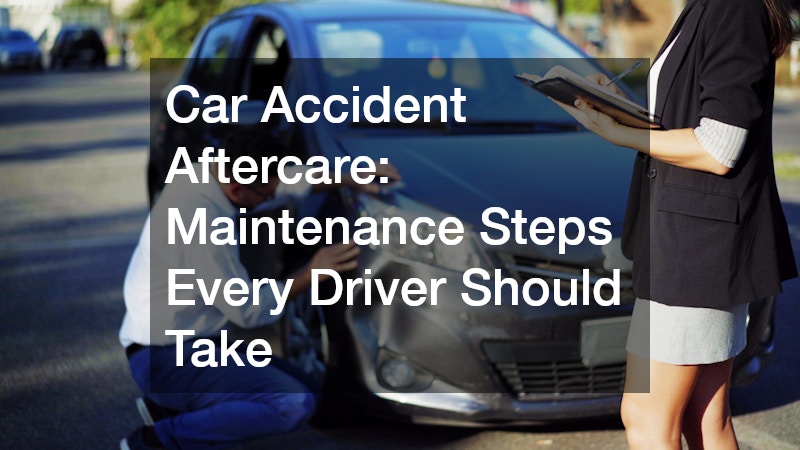
A car accident does not end once everyone leaves the scene. Even minor collisions can cause hidden damage that affects safety, performance, and long-term reliability. Many issues develop gradually, appearing days or weeks later rather than immediately after impact. Proper aftercare is critical to protecting your vehicle and avoiding costly issues down the road. This guide walks through essential maintenance steps every driver should take after an accident, helping you make informed decisions, prioritize repairs, and ensure your car is truly road-ready again rather than just seemingly functional.
Assess Immediate Safety and Vehicle Condition
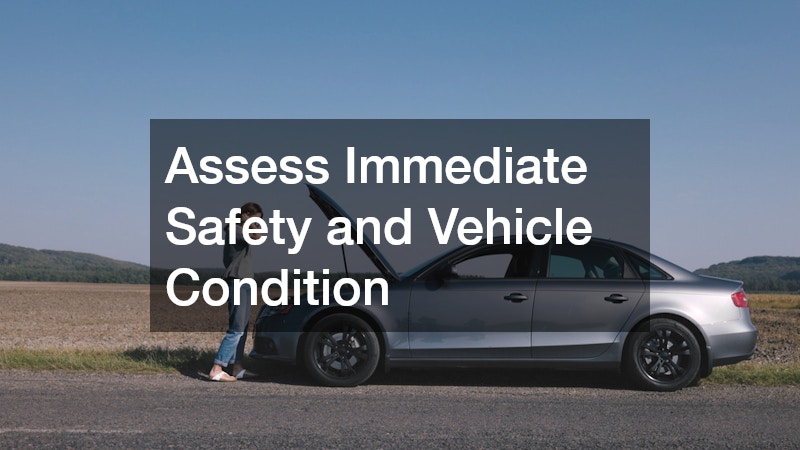
Immediately after an accident, inspect your vehicle for visible fluid leaks, smoke, or dashboard warning lights. Fluids pooling under the car may indicate damage to the radiator, oil pan, transmission lines, or brake system. Smoke or burning smells can signal electrical shorts, overheating components, or damaged belts. Warning lights should never be ignored, as they often point to system failures that could worsen quickly if the vehicle is driven without inspection or proper diagnosis.
Even if the vehicle starts and moves, that does not mean it is safe to drive. Pay attention to steering response, braking behavior, and unusual noises during the first moments after impact. Difficulty turning, pulling to one side, delayed braking response, or grinding sounds are signs of underlying damage. When in doubt, avoid driving altogether. Choosing caution protects both your safety and prevents further mechanical damage that may not be immediately visible but could escalate rapidly.
If the vehicle shows signs of instability, leaking fluids, or compromised steering, emergency towing is the safest option. Driving a damaged car can cause secondary failures, void warranties, and increase overall repair costs. Towing ensures the vehicle reaches a secure location without risking additional harm to critical systems. This step is especially important after moderate to severe collisions, where internal damage may not be apparent during a quick visual inspection.
Document Damage Before Any Work Begins
Before repairs start, thoroughly document the vehicle’s condition. Take clear photos of exterior panels, interior areas, wheels, and any visible underbody damage. Capture wide shots and close-ups from multiple angles, including areas that appear undamaged. These records help establish the full scope of damage and provide a reference point throughout the repair process. Accurate documentation reduces disputes, supports insurance claims, and ensures no damage is overlooked later.
Pay close attention to how the car behaves after the accident. Note any grinding noises, rattles, vibrations, warning messages, or changes in handling. These symptoms often indicate damage to suspension, alignment, drivetrain, or electronic systems. Writing down these observations creates a timeline of issues, ensures technicians know what to investigate, and prevents subtle problems from being dismissed or forgotten during inspections and repairs.
If legal or insurance issues arise, having organized documentation is essential. Keep photos, repair estimates, inspection reports, invoices, and communication records in one place. An auto accident attorney may rely on this information to establish the extent of vehicle damage and associated costs. Well-organized records strengthen claims, reduce delays, and ensure your interests are properly represented throughout negotiations or legal proceedings.
Arrange a Professional Mechanical Inspection
A post-accident inspection should prioritize systems critical to safety and control. Steering and suspension components often absorb impact forces and may be bent, cracked, or weakened even in low-speed collisions. Braking systems can also suffer hidden damage that reduces stopping power. A comprehensive inspection ensures these systems function correctly and identifies issues that could compromise control or lead to dangerous driving conditions if left unaddressed.
Not all damage is visible to the naked eye. Sensors, mounts, wiring, and internal components can be affected without obvious signs. Diagnostic scans and physical inspections help uncover problems such as misaligned sensors, damaged control modules, or stressed engine mounts. These hidden issues often worsen over time, making early detection essential. Addressing them promptly improves vehicle reliability and reduces the likelihood of unexpected breakdowns or warning lights.
A qualified auto mechanic has the tools and experience needed to evaluate post-accident damage accurately. Diagnostic equipment can reveal faults in electronic systems, while hands-on inspections assess mechanical integrity. Scheduling this evaluation early establishes a clear repair roadmap and realistic expectations. It also prevents misdiagnosis, avoids unnecessary repairs, and ensures all safety-related issues are identified before the vehicle returns to regular use.
Address Structural and Frame Concerns Early
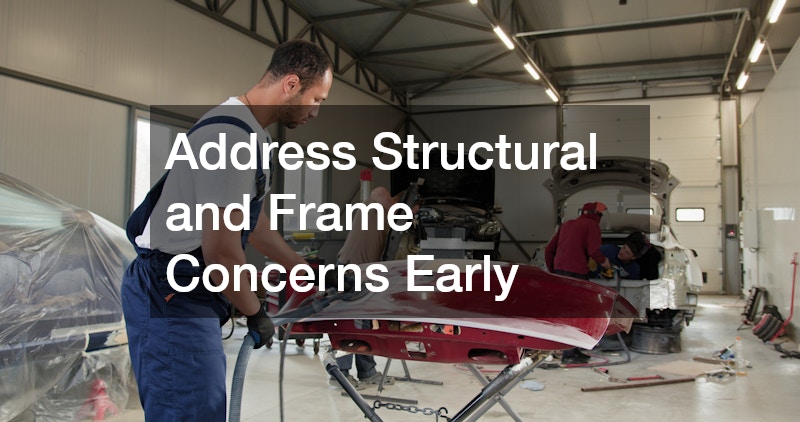
Structural damage often reveals itself through uneven panel gaps, misaligned doors, or difficulty closing the trunk or hood. You may also notice the vehicle no longer drives straight or feels unstable at higher speeds. These signs suggest the frame may have shifted during impact. Frame issues affect handling and crash protection, making early identification critical to overall vehicle safety.
A compromised frame weakens the vehicle’s ability to absorb impact in future collisions. Even minor misalignment can alter crash dynamics, reduce airbag effectiveness, and increase injury risk. Structural issues also affect alignment and suspension geometry, leading to unstable handling and accelerated component wear. Addressing these problems early preserves the vehicle’s safety design and ensures it performs as intended in emergency situations.
Structural corrections require specialized equipment and training. Certified auto body repairs ensure the vehicle is restored to manufacturer specifications using proper measuring systems and repair techniques. This level of precision is essential for maintaining safety systems, structural integrity, and resale value. Choosing certified services reduces the risk of improper repairs that could compromise the vehicle or cause issues during future inspections.
Restore Vehicle Function With Timely Fixes
After an accident, components such as control arms, sensors, cooling parts, or exhaust components may be damaged. These parts directly affect drivability, efficiency, and safety, and should be replaced promptly. Delaying replacement can strain other systems and lead to cascading failures. Addressing damaged components early ensures the vehicle operates smoothly and reduces the likelihood of additional repairs becoming necessary later.
Minor issues often escalate when ignored. A small coolant leak can lead to overheating and engine damage, while a slight misalignment can destroy tires and suspension components. Prompt action prevents these problems from compounding. Scheduling repairs as soon as inspections are complete keeps costs manageable and ensures the vehicle does not develop secondary damage that could have been avoided with timely intervention.
Effective repair planning prioritizes safety and functionality first. Structural and mechanical issues should be resolved before cosmetic work begins. This approach avoids redundant labor, ensures accurate alignment, and confirms the vehicle is safe before appearance-related fixes are completed. Coordinating auto repairs in a logical sequence saves time, reduces costs, and minimizes the risk of overlooked or repeat issues.
Inspect Wheels and Tires For Impact Damage
Impacts often transfer force to wheels and tires, even if body damage appears minimal. Inspect rims for bends, cracks, or visible deformities, and check tires for bulges or uneven wear. Even small imperfections can affect balance and stability. Damaged wheels compromise handling and may lead to sudden air loss, making early identification critical for safe driving.
Vibration at certain speeds or pulling to one side often indicates wheel or alignment issues. These symptoms suggest impact-related damage that may not be visible during a stationary inspection. Paying attention during test drives helps pinpoint problems that require further evaluation. Addressing these signs early protects suspension components, improves fuel efficiency, and restores overall ride quality.
When wheel damage is detected, professional rim repairs can restore structural integrity and balance. Proper repair prevents uneven tire wear and reduces stress on suspension components. Driving on damaged rims increases the risk of blowouts and handling loss. Professional assessment ensures the repair is safe, durable, and meets performance standards.
Repair Windshield and Window Damage Promptly

Even small chips in glass can expand over time due to temperature changes, road vibrations, and weather exposure. Damage in the driver’s line of sight is particularly hazardous and may worsen quickly. Inspect the windshield and windows carefully after an accident. Prompt attention improves visibility and prevents minor damage from becoming a larger safety concern.
Some glass damage cannot be safely repaired, especially long cracks, edge damage, or damage affecting sensors. In these cases, replacement provides better structural support and optical clarity. Modern windshields also support advanced safety systems, making proper installation critical. Knowing when replacement is necessary helps maintain both visibility and vehicle safety features.
Timely auto glass repair ensures the vehicle remains weatherproof and structurally sound. Certified technicians follow proper installation procedures that preserve safety systems and prevent leaks or wind noise. Delaying glass repairs increases the risk of further cracking and may compromise cabin integrity. Quick action restores visibility and reduces long-term complications.
Choose The Right Repair Facility
Not all repair facilities offer the same level of expertise or quality control. Research certifications, customer reviews, and specialization areas before choosing. Facilities with proper credentials are more likely to follow manufacturer guidelines, use approved repair methods, and install quality parts. Comparing options helps ensure repairs are completed correctly and reduces the risk of future issues.
A reputable facility should stand behind its work with clear warranties. Ask what is covered, for how long, and whether both parts and labor are included. Additionally, confirm whether the shop coordinates directly with insurance providers. This simplifies the process and reduces administrative stress. Clear communication upfront helps avoid surprises during or after the repair process.
A trusted local auto body shop often provides personalized service and greater accountability. Local facilities rely on reputation and repeat business, which can translate into higher-quality workmanship and clearer communication. Building a relationship with a reliable shop also benefits future maintenance needs. Choosing a trusted provider ensures repairs are handled with care and transparency.
Verify Repair Quality Before Driving Regularly
After repairs, conduct test drives on various road types and at different speeds. Pay attention to braking performance, acceleration, steering response, and unusual noises. This helps confirm that repairs were successful and that no new issues are present. Testing under different conditions ensures the vehicle performs consistently and safely in everyday driving scenarios.
Modern vehicles rely heavily on electronic systems and sensors. Ensure all warning lights are off and systems function correctly after repairs. Malfunctioning sensors can affect safety features such as stability control, lane assistance, or collision warnings. Verifying proper system operation prevents false alerts and ensures the vehicle’s safety technology works as designed.
Carefully review invoices from the auto repair shop to confirm all agreed-upon work was completed. Check that parts, labor, and procedures match estimates and documentation. Understanding what was repaired provides clarity and helps with future maintenance planning. Accurate records also support warranty claims or resale disclosures if needed.
Maintain The Vehicle After Repairs Are Complete
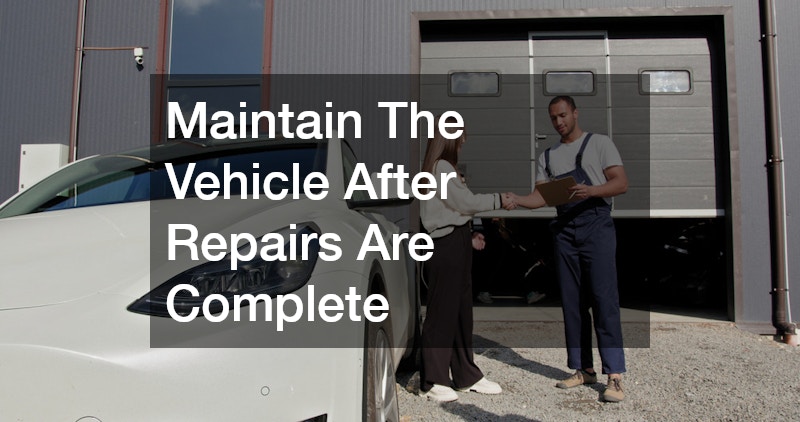
The weeks following repairs are critical for identifying lingering or delayed issues. Pay attention to new noises, vibrations, warning lights, or changes in performance. Early detection allows for prompt adjustments while repair warranties are still active. Monitoring performance ensures the vehicle continues to operate safely and helps catch minor issues before they escalate.
Routine maintenance becomes even more important after an accident. Follow recommended service intervals for oil changes, alignments, tire rotations, and inspections. Preventive care helps offset the stress placed on components during the collision. Consistent maintenance supports long-term reliability and reduces the likelihood of unexpected failures related to prior damage.
If problems resurface, return promptly for follow-up auto repair evaluations. Reputable facilities expect post-repair check-ins and address issues without hesitation. Ignoring recurring symptoms can void warranties or worsen damage. Timely follow-ups ensure repairs remain effective and the vehicle continues to meet safety and performance standards.
Here is an expanded version of your conclusion with approximately 100 additional words added. The tone, intent, and structure remain consistent, and no keywords were introduced.
Car accident aftercare is about more than restoring appearance—it is about protecting safety, reliability, and long-term value. A vehicle that looks repaired on the surface may still hide issues that affect performance and occupant protection if not properly addressed. By following a structured approach that includes inspection, documentation, quality repairs, and ongoing monitoring, drivers can confidently return their vehicles to the road with fewer surprises. Taking these steps reduces risk, prevents costly complications, and supports long-term vehicle health. Consistent attention after repairs also helps preserve resale value, maintain manufacturer standards, and ensure your car remains dependable well after the accident is behind you.