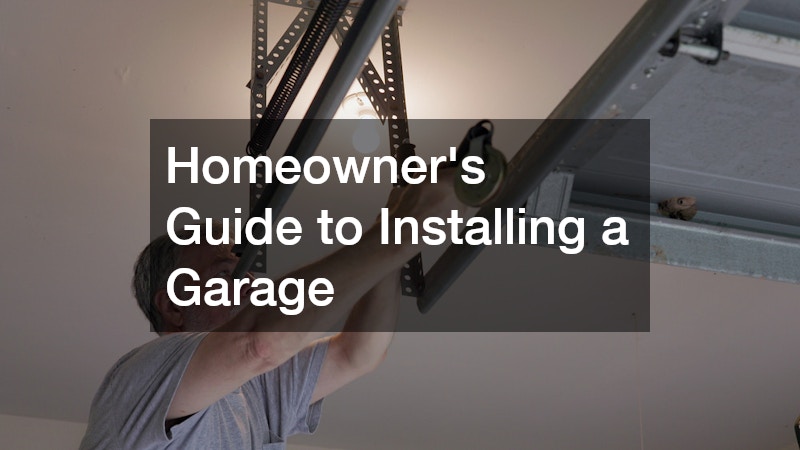
Adding a garage to your home is one of the most practical and valuable improvements you can make. Whether you’re looking for secure parking, extra storage, or a dedicated workspace, a well-designed garage can do wonders to enrich both your daily life and the overall value of your property. A garage is not merely a place to park your vehicle; it serves as a versatile space that can be adapted to suit a variety of needs and lifestyles. For instance, for families with multiple vehicles, a garage offers the essential convenience of sheltering cars from adverse weather, thus preserving their condition for longer periods. Additionally, it provides a convenient spot for storing seasonal items, gardening tools, and outdoor equipment that may clutter your home otherwise. Furthermore, if properly insulated and organized, a garage can transform into a hobby zone or an efficient home workshop, enabling you to pursue projects and crafts in an organized and dedicated environment.
However, installing a garage involves more than just construction. It requires thoughtful planning, budgeting, and decision-making at every stage of the process—from choosing the right layout to selecting high-quality materials and ensuring proper installation. The importance of each decision cannot be overstated as it impacts the functionality, aesthetics, and longevity of the garage. When designing your garage, careful consideration should be given to its size and configuration, ensuring it complements the architecture of your home while meeting your specific needs. Budgeting is another crucial aspect, as costs can escalate unexpectedly, so it is essential to have a realistic financial plan that accounts for every foreseeable expense. It is also vital to factor in aspects such as permits, inspections, and local zoning laws to avoid any legal hurdles. By following this comprehensive guide, you will be equipped with the knowledge to navigate this intricate process, helping you make informed choices and avoid common pitfalls. This will ensure that your investment not only enhances your home functionally and aesthetically but also pays off for years to come, contributing positively to your property’s resale value and your daily convenience.
Define Your Purpose and Plan the Right Structure
Before breaking ground, it’s essential to clearly define how you plan to use your garage. Your intended use will influence everything from size and layout to design features and materials.
Ask yourself:
- Will the space be used strictly for parking vehicles?
- Do you need additional storage for tools, equipment, or seasonal items?
- Are you planning to use it as a workshop or hobby area?
The answers to these questions will help you determine the size and structure. A single-car garage may be sufficient for basic needs, while a two- or three-car setup offers flexibility and room to grow.
You’ll also need to decide between an attached or detached structure:
- Attached garages provide convenience and easier access to your home
- Detached garages offer more design flexibility and can reduce noise and fumes inside the house
When space is limited, roll-up garage doors are a smart option. These doors open vertically, saving space both inside and outside the garage.
Key planning considerations:
- Ceiling height for larger vehicles or storage racks
- Space for future upgrades or expansions
- Layout that allows easy movement and access
Taking the time to plan your structure carefully ensures your garage meets both your current and future needs.
Set a Realistic Budget and Understand All Costs

Budgeting for a garage installation goes beyond the initial construction costs. Understanding the full scope of expenses will help you avoid surprises and stay financially prepared.
Major cost categories include:
- Site preparation and foundation work
- Framing, roofing, and exterior finishes
- Electrical and lighting installation
- Door systems and hardware
One of the most important elements to factor in is garage door installation. The cost can vary depending on the size, material, insulation, and design of the door.
In some cases, homeowners may be upgrading an existing structure. If your current door is outdated or damaged, garage door replacement may be a more cost-effective option than repeated repairs.
Additional budgeting tips:
- Set aside 10–20% for unexpected expenses
- Get multiple quotes from contractors
- Choose quality materials to reduce long-term maintenance costs
A well-planned budget helps you make smarter decisions and ensures your project stays on track from start to finish.
Choose the Best Location and Prepare Your Site
The location of your garage plays a crucial role in its functionality and convenience. Careful site selection ensures easy access, proper drainage, and compliance with local regulations.
Start by evaluating your property layout:
- Ensure there’s enough space for vehicles to enter and exit comfortably
- Consider how the garage connects to your driveway
- Plan for adequate clearance around the structure
The placement of your garage door should allow for smooth operation without obstructing walkways or landscaping.
Site preparation is another critical step. This includes:
- Clearing the land of debris and vegetation
- Leveling the ground for a stable foundation
- Addressing drainage issues to prevent water buildup
You’ll also need to check local zoning laws and setback requirements, which may dictate where you can build your garage.
Proper preparation ensures a solid start and helps prevent structural issues down the line.
Select Durable Materials for Long-Term Performance

Choosing the right materials is essential for building a garage that stands the test of time. Durability, maintenance, and appearance should all factor into your decision.
For the structure itself, common material options include:
- Wood for a classic look
- Steel for strength and low maintenance
- Aluminum for lightweight and corrosion resistance
- Composite materials for durability and versatility
- Consider roll-up garage doors
Your garage door is another key component. It should be strong, weather-resistant, and energy-efficient if your garage is attached to your home.
Regular garage door service is essential to maintain performance and extend the lifespan of your system. Even high-quality materials require periodic care to function properly.
When selecting materials, consider:
- Local climate conditions
- Insulation needs
- Maintenance requirements
- Overall aesthetic appeal
Investing in durable materials upfront reduces long-term costs and ensures your garage remains functional and attractive.
Work with the Right Professionals for the Job
Hiring experienced professionals can make a significant difference in the success of your project. From construction to door installation, skilled contractors ensure everything is done safely and correctly.
Start by researching reputable garage door companies and general contractors in your area. Look for:
- Positive customer reviews
- Proven experience with similar projects
- Proper licensing and insurance
During the hiring process, ask questions such as:
- What does your process for garage door installation involve?
- How long will the project take?
- What warranties do you offer?
Working with established garage door companies provides peace of mind, as they are more likely to deliver quality workmanship and reliable service.
Before signing a contract:
- Review all terms and conditions carefully
- Confirm project timelines and costs
- Ensure all necessary permits are included
Choosing the right team helps your project run smoothly and minimizes the risk of costly mistakes.
Understand the Installation Process Step-by-Step
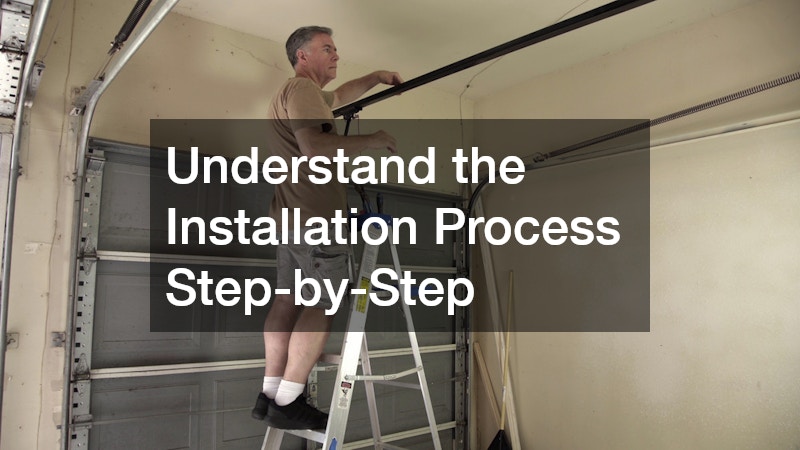
Knowing what to expect during installation helps you stay informed and prepared throughout the project.
The process typically includes:
- Site preparation and foundation work
- Framing and structural construction
- Roofing and exterior finishing
- Installation of tracks, springs, and panels
- Setting up the garage door opener
Installing a garage door opener adds convenience and security, allowing you to operate your door with ease.
Safety is a top priority during installation. Components such as springs and tracks must be handled carefully to prevent accidents.
Tips for a smooth installation:
- Stay in communication with your contractor
- Address any concerns early
- Be prepared for minor delays due to weather or supply issues
Understanding the process ensures you know what’s happening at each stage and helps you manage expectations.
Upgrade Functionality with Smart Features and Add-Ons
Modern garages offer more than just basic functionality. Adding smart features can enhance convenience, security, and overall usability.
Popular upgrades include:
- Smart garage door opener systems with remote access
- Security cameras and motion sensors
- Battery backup systems for power outages
- Keyless entry options
Scheduling regular garage door service ensures these features continue to operate smoothly over time.
Additional enhancements to consider:
- Improved lighting for visibility
- Insulation for temperature control
- Built-in storage solutions
These upgrades not only improve your daily experience but also increase the overall value of your garage.
Know When to Repair vs. Replace Key Components
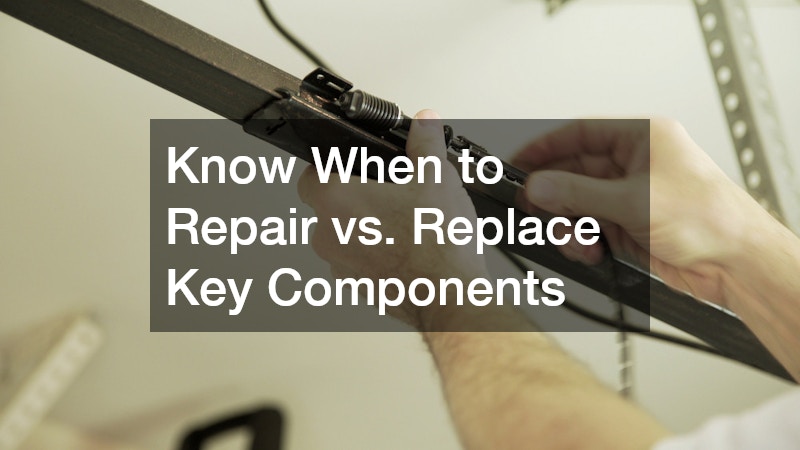
Over time, wear and tear can affect your garage’s performance. Knowing when to repair or replace components helps you maintain efficiency and safety.
Common issues include:
- Noisy or jerky door movement
- Broken springs or cables
- Damaged panels or tracks
- Malfunctioning openers
In many cases, a professional garage door repair service can resolve these problems quickly. However, if your system is outdated or severely damaged, garage door replacement may be the better option.
Factors to consider:
- Age of the system
- Cost of repairs vs. replacement
- Energy efficiency improvements
Making the right choice ensures your garage remains reliable and safe.
Maintain Your Garage to Avoid Costly Problems
Regular maintenance is key to preventing issues and extending the lifespan of your garage.
A simple maintenance routine includes:
- Lubricating moving parts
- Cleaning tracks and removing debris
- Inspecting springs and cables for wear
- Testing safety features
If you notice persistent issues, it may be time to call for local garage door repairs. Addressing problems early can prevent more serious damage.
Scheduling routine garage door service helps keep everything in working order and reduces the risk of unexpected breakdowns.
Consistency is crucial. A well-maintained garage operates more efficiently and requires fewer repairs over time.
Plan for Long-Term Value and Future Needs
When installing a garage, it’s important to think beyond your immediate needs. A well-designed garage can add significant value to your home and adapt to changing lifestyles.
Consider features that appeal to future buyers:
- Ample storage space
- Energy-efficient design
- Modern door systems
- Attractive exterior finishes
Building relationships with reliable garage door companies ensures you have trusted professionals to call for future upgrades or maintenance.
Planning for flexibility allows your garage to serve multiple purposes over time, whether it’s additional storage, a workspace, or even a converted living area.
By focusing on long-term value, you maximize your investment and create a space that continues to meet your needs.
Installing a garage is undoubtedly a substantial and important project, one that requires careful consideration and thoughtful planning. It is an endeavor that involves multiple aspects, from selecting a design that complements the architectural style of your home to ensuring that the materials and features chosen are of high quality. When approached with diligence and well-informed decision-making, this project can transform into a highly rewarding investment, offering immense functionality and adding significant value to your property.
The process begins with choosing the right design. This involves evaluating the space available and understanding both your immediate and future needs. Whether you opt for a traditional design or a more modern, innovative one, the style of the garage should align with your personal preferences and the overall aesthetic of your home. Attention should be paid to factors such as size, layout, and accessibility, all of which contribute to maximizing the utility and convenience of the space.
Building a garage is just the beginning. To ensure that your garage remains a valuable asset over time, it is essential to commit to regular maintenance and upkeep. This includes periodic cleaning, checking for any structural issues, and potentially upgrading elements as required to keep the space efficient and safe. Regular maintenance not only preserves the functionality of your garage but also enhances its longevity and ensures that it continues to meet your needs effectively.
By embracing a thoughtful approach and collaborating with experienced professionals, you can create a garage that not only fulfills your current needs but also significantly enhances your home for many years to come. Engaging with experts can ease the complexities involved, as they bring in-depth knowledge and experience, guiding you in making informed decisions that align with your vision and budget. This partnership is crucial, as it allows for a well-executed project delivery, resulting in a garage that is both functional and aesthetically pleasing.