A vehicle can be much more than a practical way to get from one place to another. For many drivers, it is also an opportunity to express personal taste, improve comfort, and create a driving experience that feels distinctly their own. Whether the goal is a subtle refresh or a dramatic transformation, thoughtful planning can help produce a finished vehicle that looks cohesive rather than like a collection of unrelated upgrades.
Successful customization starts with understanding what the finished vehicle should accomplish. Some drivers want a sleek and refined appearance, while others prefer rugged styling, aggressive performance cues, vintage influences, or modern technology. Daily driving habits matter as well. A commuter may prioritize comfort, sound quality, and convenience, while an enthusiast may care more about handling, visual impact, and performance.
Before purchasing anything, consider the overall theme, available budget, and amount of work involved. It can help to collect reference photos, write down preferred features, and divide the project into stages. This keeps spending under control while making it easier to evaluate whether each addition supports the overall vision.
Start With a Clear Picture of the Vehicle’s Condition
Before focusing on appearance, it is important to understand the vehicle’s current mechanical and structural condition. A customized vehicle may look impressive, but existing problems can become more expensive if they are ignored while money is directed toward cosmetic upgrades.
A comprehensive car inspection provides a useful starting point. The inspection can identify worn brakes, aging tires, suspension concerns, leaks, electrical problems, or other issues that may need attention before modifications begin. This is especially important for older vehicles or recently purchased used vehicles with an incomplete maintenance history.
Working with a trusted local auto mechanic can also help drivers determine whether certain modifications make sense for their specific vehicle. Changing wheel dimensions, adjusting suspension height, adding electrical equipment, or increasing engine output can affect other systems.
Before beginning a major project:
- Review the vehicle’s recent maintenance history.
- Check tires for uneven wear that could indicate alignment or suspension problems.
- Inspect brakes, steering components, and fluid levels.
- Look for warning lights or recurring mechanical symptoms.
- Test the battery and charging system before adding electrical accessories.
- Address safety-related problems before cosmetic changes.
Starting with a dependable vehicle creates a better foundation for every modification that follows. It can also prevent the frustration of spending heavily on appearance only to discover that substantial mechanical work is required afterward.
Develop a Consistent Design Instead of Chasing Trends

It is tempting to purchase individual accessories whenever something catches the eye. The problem is that unrelated modifications can quickly create a cluttered appearance. A better approach is to establish a theme before making major purchases.
Auto customization works best when individual changes feel connected. Drivers might choose a monochromatic look, a motorsport-inspired design, a luxury theme, a rugged off-road aesthetic, or a restrained factory-plus style that enhances the original design without dramatically changing it.
Start by identifying several characteristics that should define the vehicle. For example:
- Primary and secondary colors
- Gloss, matte, satin, or metallic finishes
- Modern, classic, aggressive, or understated styling
- Interior materials and textures
- Preferred wheel designs
- Desired ride height
- Lighting preferences
- Technology and entertainment priorities
Creating a digital mood board can be helpful. Save pictures of vehicles with appealing features and look for patterns. If nearly every saved example uses dark wheels, subtle exterior accents, and a clean interior, those recurring preferences can guide purchasing decisions.
Budgeting should be part of the design process as well. Divide the total amount available into categories such as appearance, interior comfort, wheels and tires, technology, maintenance, and contingency expenses. Custom projects often uncover unexpected needs, so keeping part of the budget uncommitted can prevent financial strain.
Refine the Exterior With Purposeful Changes
The outside of the vehicle creates the strongest first impression, making exterior modifications one of the most popular areas for personalization. However, even expensive upgrades can lose their impact when the underlying exterior is damaged or neglected.
Before adding accessories, evaluate the condition of the paint, panels, bumpers, grille, lights, mirrors, and trim. Professional auto body work may be worth completing first when there are dents, deep scratches, rust, cracked panels, or misaligned components. Restoring damaged areas can make later upgrades look significantly more polished.
After establishing a clean foundation, consider modifications that enhance the factory design rather than overwhelm it. Options may include:
- Updated grilles
- Front splitters or subtle spoilers
- Painted or wrapped trim
- Replacement lighting
- Badging changes
- Roof or hood accents
- Protective paint films
- Color-matched exterior accessories
Window treatment can also contribute to the overall appearance. An auto tint shop can explain available shades, film types, heat-rejection properties, UV protection, and applicable state regulations. Tint should complement the rest of the vehicle rather than function as an isolated design choice.
For example, a lightly modified luxury sedan may benefit from a moderate shade that supports a refined appearance, while a sport-oriented vehicle with dark wheels and trim may suit a darker aesthetic where legally permitted.
Exterior modifications are usually most successful when restraint is part of the plan. A few well-coordinated changes often create a stronger impression than adding every available accessory.
Make Wheels a Central Part of the Visual Plan
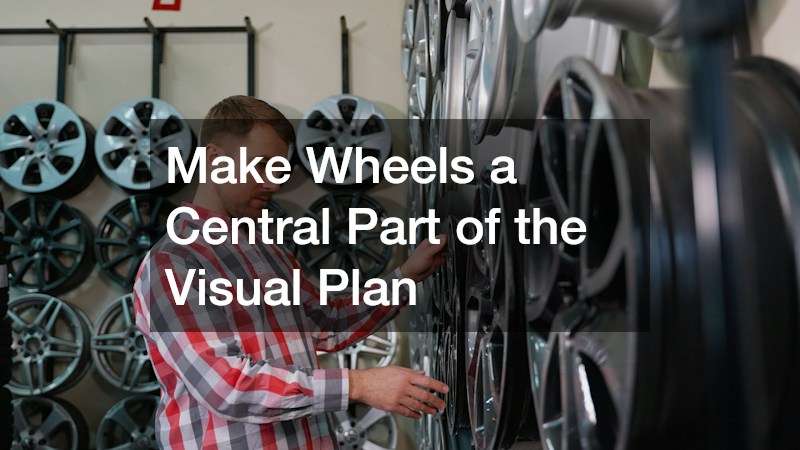
Few modifications can change the character of a vehicle as quickly as the wheels. Their size, finish, shape, and fitment affect how the entire vehicle is perceived.
When selecting custom wheels, begin with proportions rather than appearance alone. A design that looks impressive in a catalog may not suit the dimensions or body lines of every vehicle. Wheel diameter, width, offset, and tire profile all affect the final result.
Important considerations include:
- Adequate clearance around brakes and suspension components
- Proper offset to prevent rubbing or excessive protrusion
- Tire sidewall height and ride comfort
- Vehicle load ratings
- Overall wheel and tire weight
- Compatibility with tire-pressure monitoring systems
- Alignment requirements after changes
Larger wheels can create a sportier appearance, but increasing diameter usually requires lower-profile tires to maintain an appropriate overall diameter. This can reduce cushioning over potholes and uneven pavement. Drivers who prioritize comfort may prefer a moderate size increase instead.
Finish matters just as much as size. Gloss black can create a dramatic look, while silver, bronze, machined, or polished finishes can produce completely different personalities. Consider how the finish interacts with the vehicle’s paint, trim, brake components, and other exterior details.
Drivers should also think beyond appearance. Tires play a major role in braking, acceleration, steering response, and wet-weather performance. A visually striking setup should still be practical for the conditions in which the vehicle is regularly driven.
Design the Interior Around Comfort and Daily Use
The exterior may attract attention, but the cabin is where the driver spends most of the time. Interior customization should therefore focus on usability as much as visual style.
Begin with the surfaces and features that receive the most interaction. Steering wheels, seats, armrests, controls, floor coverings, and lighting can all influence how the cabin feels. Small improvements can sometimes make a bigger difference than dramatic visual changes.
Possible interior upgrades include:
- Reupholstered seats
- Custom floor mats
- Upgraded interior lighting
- Steering wheel enhancements
- Replacement shift knobs
- Trim overlays
- Improved storage solutions
- Added sound insulation
- Phone integration and charging accessories
Audio deserves special consideration because simply adding louder speakers does not necessarily create better sound. A custom car audio service can evaluate the size and shape of the cabin, speaker placement, available electrical capacity, and the driver’s listening preferences.
A balanced system may include upgraded speakers, amplification, a subwoofer, sound-deadening material, and digital signal processing. The goal should be clarity and balance rather than maximum volume.
Electrical modifications should be planned carefully. Adding amplifiers, lighting, displays, and charging equipment increases demand on the electrical system. Wiring should be properly fused, secured, and routed away from moving or hot components. Poor electrical installation can lead to unreliable accessories, battery drain, or damaged electronics.
Interior customization should also preserve safety. Avoid modifications that interfere with airbags, seat belts, driver visibility, pedals, or access to essential controls.
Choose Components for Fit, Function, and Durability

The quality of individual components has a significant impact on both the appearance and reliability of a custom project. Purchasing solely based on price can lead to poor fitment, premature wear, or additional installation costs.
When comparing auto parts, verify compatibility with the exact year, make, model, trim level, engine configuration, and existing equipment. Two vehicles that appear identical from the outside can require different components because of drivetrain, suspension, electrical, or production differences.
Drivers generally have several categories of components to choose from:
- Original-equipment components designed to match factory specifications
- Aftermarket replacements intended as alternatives to factory components
- Performance-oriented components designed to change handling or power
- Cosmetic components intended primarily to change appearance
- Used or refurbished components that may offer lower upfront costs
Read technical specifications instead of relying exclusively on product descriptions or photographs. Dimensions, materials, mounting locations, electrical requirements, load ratings, and installation instructions can reveal whether a component is truly suitable.
Keep records of every major purchase. Receipts, warranty information, part numbers, and installation dates can be valuable when maintenance is required later. This documentation is especially useful when troubleshooting a vehicle that has been extensively modified.
Handle Mechanical Improvements Before Increasing Performance
Performance upgrades can be exciting, but they should not be used to compensate for neglected maintenance. A vehicle with worn suspension components, weak brakes, cooling problems, or unresolved engine issues is rarely a good candidate for additional power.
Complete necessary auto repair before installing significant performance upgrades. This may include correcting fluid leaks, replacing worn belts or hoses, addressing cooling-system problems, servicing the transmission, repairing suspension components, or resolving warning lights.
Once the vehicle is mechanically sound, consider how one modification may affect another. Increasing engine output, for example, may create additional demands on:
- The cooling system
- Transmission
- Clutch
- Axles
- Tires
- Braking system
- Fuel delivery
- Engine management
Suspension changes also require careful planning. Lowering a vehicle can improve appearance and sometimes handling, but excessive lowering can reduce ground clearance, alter suspension geometry, and accelerate tire wear. Quality components and proper alignment can make the difference between a functional modification and an inconvenient one.
Performance projects are often best approached as systems rather than isolated upgrades. If additional power is the goal, supporting components should be considered at the same time. If handling is the priority, tires, suspension, brakes, and alignment should work together.
Protect the Finished Build Through Regular Care
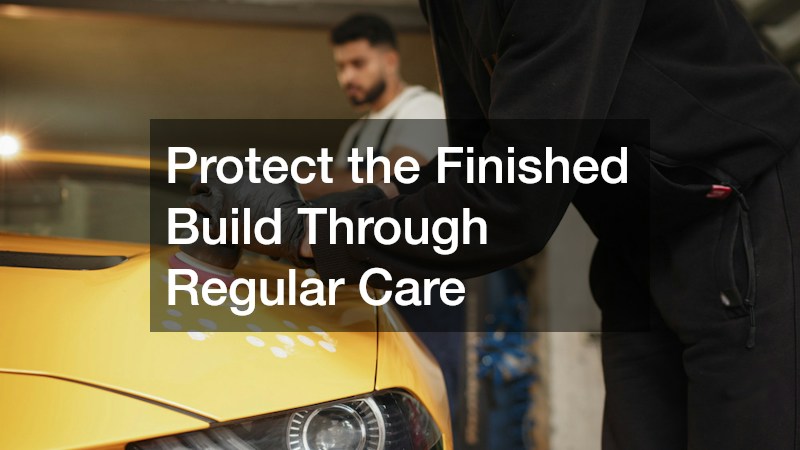
Once the major work is complete, proper maintenance helps preserve both the appearance and value of the project. Modified vehicles often have materials or finishes that require different care from standard factory surfaces.
Regular car detailing can help protect paint, wheels, glass, upholstery, trim, and specialty finishes. The process does not have to involve intensive polishing every week. Instead, owners should create a routine that prevents contamination and damage from accumulating.
A practical care schedule might include:
- Washing regularly with products designed for automotive finishes.
- Removing bird droppings, insects, and tree sap promptly.
- Cleaning wheels with products compatible with their finish.
- Conditioning leather or other interior materials as recommended.
- Vacuuming areas where dirt can damage upholstery.
- Inspecting protective coatings or films for signs of deterioration.
- Checking aftermarket accessories for loose hardware.
Specialized finishes deserve particular attention. Matte paint and wraps, for instance, may not respond well to conventional waxes or aggressive polishing. Powder-coated wheels may require different products from polished metal. Window films should be cleaned with products that will not damage the film.
Mechanical checks should continue as well. After significant modifications, periodically inspect fasteners, wiring connections, tire wear, suspension components, and fluid levels. Changes that initially seem minor can place different stresses on the vehicle over time.
Keeping a written record of modifications and maintenance can also make future work easier. When a technician knows exactly what has been changed, diagnosing problems and sourcing replacement components becomes much more straightforward.
Bring Every Element Together
Creating a personalized vehicle is most rewarding when the final result feels intentional. Rather than focusing on the number of modifications, drivers can benefit from considering how each decision contributes to appearance, comfort, usability, reliability, and safety.
A successful project may involve dramatic changes, or it may consist of a handful of carefully selected improvements. What matters most is that those changes work together and reflect the owner’s actual preferences. Trends can provide inspiration, but they do not need to dictate the finished design.
Planning also helps prevent costly mistakes. Establishing a visual theme, handling maintenance early, choosing compatible components, and considering how modifications interact can make the process more manageable. Completing the project in stages gives drivers time to evaluate each change before committing to the next one.
Ultimately, a personalized vehicle should still work well for the person driving it. The strongest builds combine personality with practicality, resulting in a vehicle that looks distinctive while remaining comfortable, dependable, and enjoyable on the road.