Car accidents, even minor fender-benders, can be overwhelming experiences. After the initial shock and ensuring everyone’s safety, thoughts naturally turn to repair. Knowing the first steps for auto repairs can ease the stress and ensure that everything is addressed properly.
Assessing the Damage
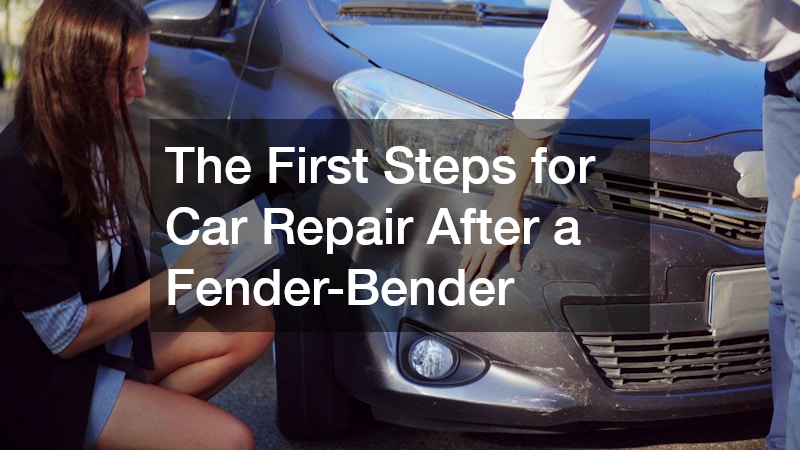
The first step after experiencing a fender-bender is to assess the damage. Walk around your car and take note of any visible issues.
This includes dents, scratches, and any dislodged parts. It’s also important to check if the vehicle is still operational by confirming functionalities like headlights, brake lights, and indicators. Documenting this damage is crucial as it aids in discussions with insurance providers and auto repair professionals. Furthermore, having detailed notes can help in the estimation process during auto repairs.
Once the initial assessment is done, it’s advisable to take photographs of the damage. These images can serve as evidence to corroborate your observations. High-quality, clear photos from multiple angles can capture the extent of the damage accurately. They are particularly useful if there are disputes with insurance claims after the accident. These images offer a visual reference, which can be an invaluable asset during the subsequent stages of repair negotiations.
Understanding the internal damage is just as important as assessing the external condition of the vehicle. Although a fender-bender might appear minor, there can be significant underlying issues. Particular attention should be paid to the alignment and suspension components. If there’s any suggestion of mechanical issues, it’s essential to promptly consult with a trusted auto repair workshop to prevent further complications. A proactive approach can significantly reduce potential risks down the line.
Selecting Insurance and Repair Shop
The next step involves dealing with insurance and selecting a reputable repair shop. Start by reporting the accident to your insurance provider as soon as possible. They will guide you through filing a claim and provide details on coverage. It’s important to clarify any excess fees and determine how the repair processes will proceed under your policy. Adequately informing the insurance company with all necessary information, backed with the assessment details and photographic evidence, will facilitate a smoother claims process.
Selecting an auto repair shop is a critical decision that can influence the quality and cost of repairs. While your insurance provider may suggest specific repair shops, you are often free to select one that you trust. It is recommended to choose a shop with a good reputation, experience, and proper certifications in auto repairs. You might want to read reviews, ask for recommendations, or visit the shops in person to gauge their professionalism. The selected repair shop plays a pivotal role in restoring your vehicle effectively.
In the process of choosing a repair shop, consider requesting multiple estimates from different workshops. This ensures that you receive a fair price and understand the scope of work that needs to be done. Comparing estimates also gives insight into various repair approaches and the timelines involved. A professional shop should provide a detailed breakdown of costs and steps required for repair. Always be wary of quotes that seem too low, as they may compromise on parts or skilled labor quality.
Coordinating and Follow-up

Finally, establish a line of communication with both the repair shop and your insurance company to coordinate efforts smoothly. Each party plays a crucial role in ensuring the repair is conducted efficiently and to a high standard. Regular updates from the repair shop on the progress of the work will help maintain transparency. Meanwhile, ensuring that your insurance agent is in the loop can prevent any coverage disputes or payment delays. Keeping everyone aligned towards the resolution of the incident assures a more organized repair process.
Once the repair of your vehicle commences, it is prudent to visit the auto repair shop periodically. Personal inspections allow you to keep track of the work being done, ensuring that it meets your expectations. Ask for explanations regarding any additional repairs or costs that arise during the repair work. Attention to detail and clear communication can ensure that the repair quality does not fall short. This proactive involvement facilitates a smoother completion of the repair.
After everything is completed, ensure you receive all relevant documentation from the repair shop, including receipts and repair warranties. Long-term satisfaction with the repair job heavily relies on this documentation, as it serves as proof of the work conducted. Additionally, maintain these documents as part of the vehicle’s history, which can be valuable if you decide to sell the car in the future. Regular follow-ups on repairs and coverage post-incident help sustain the vehicle’s performance and quality.
Recovering from a fender-bender involves several crucial steps in auto repairs. From accurately assessing damage to coordinating repairs with insurance companies and ensuring high-quality work, each step is vital for a stress-free recovery. By following these guidelines carefully and maintaining a solid line of communication between all parties involved, you can restore your vehicle effectively to its pre-accident condition.