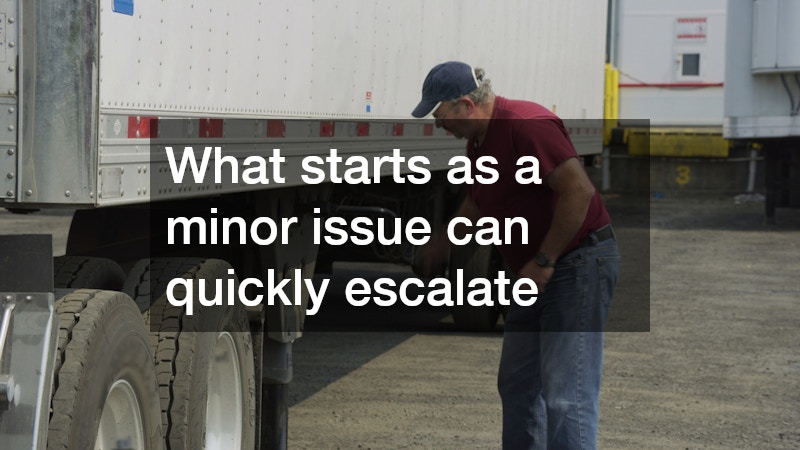
In the world of commercial transportation, time is money. Every mile a truck travels represents revenue earned, goods delivered, and commitments fulfilled. But when mechanical issues arise, some fleet owners and independent operators are tempted to postpone service in an effort to avoid immediate expenses. While this may seem like a practical short-term decision, delaying repair often leads to far greater financial and operational consequences. What starts as a minor issue can quickly escalate into a costly breakdown, extended downtime, and even safety risks.
Understanding the true cost of postponing repairs is essential for anyone responsible for keeping trucks on the road and businesses running smoothly.
Small Problems Become Major Failures
Heavy-duty trucks are complex machines built to withstand extreme loads, long distances, and demanding conditions. However, like any mechanical system, wear and tear are inevitable. A small oil leak, worn brake pads, or a minor transmission issue may not appear urgent at first. Yet ignoring these warning signs can allow damage to spread to surrounding components.
For example, a simple coolant leak can lead to engine overheating. Over time, overheating can warp cylinder heads, damage gaskets, or even require a complete engine replacement. What might have been resolved with a minor heavy duty truck repair costing a few hundred dollars could snowball into a multi-thousand-dollar overhaul.
Similarly, neglecting brake maintenance can result in damaged rotors, calipers, and compromised stopping power. In heavy commercial vehicles, brake system failures are not just expensive—they are dangerous. Addressing issues early through timely heavy duty truck repair prevents compounded damage and preserves the overall health of the vehicle.
Downtime Costs More Than You Think
When a truck is sidelined unexpectedly, the financial impact extends far beyond repair bills. Every hour a vehicle is out of service represents lost revenue. Deliveries may be delayed, contracts jeopardized, and customer relationships strained. For fleet operators, even one truck being down can disrupt scheduling and logistics planning.
Emergency breakdowns are also significantly more expensive than preventive service appointments. Towing fees, roadside assistance, expedited parts shipping, and after-hours labor charges can quickly inflate costs. In contrast, scheduled heavy duty truck repair allows technicians to diagnose and resolve issues in a controlled, cost-effective manner.
Businesses that prioritize regular inspections and prompt heavy duty truck repair benefit from improved uptime and more accurate budgeting. Planning repairs in advance reduces surprises and ensures vehicles spend more time generating revenue rather than sitting in a repair bay.
Safety Risks and Legal Consequences
Beyond mechanical and financial implications, delaying heavy duty truck repairs can expose operators to serious safety and legal risks. Commercial trucks share the road with passenger vehicles, pedestrians, and other drivers. Faulty brakes, worn tires, steering issues, or malfunctioning lights can significantly increase the likelihood of accidents.
In the event of a collision, investigators often examine maintenance records. Failure to address known mechanical issues may result in liability claims, lawsuits, or regulatory penalties. Authorities expect trucking companies and owner-operators to maintain their vehicles according to safety standards. Ignoring recommended can be interpreted as negligence.
Regulatory compliance is another critical factor. Many jurisdictions require routine inspections and adherence to strict maintenance guidelines. Trucks that fail roadside inspections due to unresolved mechanical problems may be placed out of service immediately. This not only disrupts operations but may also lead to fines and reputational damage.
Investing in timely demonstrates a commitment to safety and compliance. It protects drivers, cargo, and the public while reducing the risk of costly legal disputes. In an industry where reputation matters, a proactive approach to maintenance sends a powerful message about reliability and professionalism.
Long-Term Impact on Asset Value
Commercial trucks represent significant capital investments. Whether purchased outright or financed, these vehicles are valuable business assets. Delayed maintenance accelerates depreciation and reduces resale value. Prospective buyers and dealerships carefully evaluate service records when determining trade-in or resale prices.
Fuel efficiency is another factor tied to maintenance. Poorly maintained engines, clogged filters, or misaligned components can decrease fuel economy. Over time, even a small drop in miles per gallon translates into significant additional fuel costs. Addressing these issues through regular helps optimize performance and control operating expenses.
When considering the full lifecycle of a truck—from acquisition to resale—proactive repairs and maintenance clearly offer a stronger return on investment. Protecting the asset today ensures better financial outcomes tomorrow.
Delaying heavy duty truck repairs may appear to reduce expenses in the short term, but the long-term consequences tell a different story. Minor mechanical issues can escalate into major failures, downtime can cripple revenue streams, and safety risks can lead to legal and regulatory trouble. Additionally, neglected maintenance diminishes asset value and increases operating costs over time.
Choosing timely is not simply about fixing what is broken—it is about protecting your investment, ensuring safety, and maintaining operational efficiency. By addressing problems early and committing to regular maintenance, fleet owners and independent operators can avoid costly surprises and keep their trucks moving reliably down the road. In the competitive transportation industry, proactive care is always more affordable than reactive heavy duty truck repair.