Owning a vehicle comes with more responsibility than simply filling the tank and driving from point A to point B. Every car, no matter how reliable, will eventually require maintenance and repairs. Understanding the most common types of repairs can help you avoid costly breakdowns, extend the life of your vehicle, and stay safe on the road. Being informed also gives you greater confidence when making decisions about your vehicle’s care.
This guide breaks down the essential repairs every driver should know, along with practical tips to help you recognize problems early, make informed decisions, and avoid unnecessary expenses.
How to Recognize When Your Car Needs Professional Attention
One of the most valuable skills a driver can develop is recognizing when something isn’t quite right. Many vehicle issues begin subtly, often presenting themselves through small changes in performance, sound, or feel. Ignoring these early warning signs can lead to breakdowns or safety risks that could have been avoided. When in doubt, seeking professional auto repair services early can save both time and money. Paying attention to these details can significantly reduce long-term repair costs.
Common warning signs to watch for:
- Unusual noises such as grinding, squealing, or knocking
- Dashboard warning lights that remain on
- Strange smells like burning rubber or oil
- Reduced performance or sluggish acceleration
- Vibrations or pulling when driving
When to act immediately
Certain symptoms require urgent attention:
- A soft or spongy brake pedal indicates a possible brake service issue
- Loud grinding when stopping
- Smoke coming from under the hood
- Sudden loss of power while driving
Quick pre-visit checklist
Before heading to a mechanic, take a few moments to gather useful information about the issue. Try to note when the problem started and whether it happens consistently or only under certain conditions. Being prepared ensures you get more accurate and efficient service when visiting a professional.

What to Do Immediately After a Minor or Major Collision
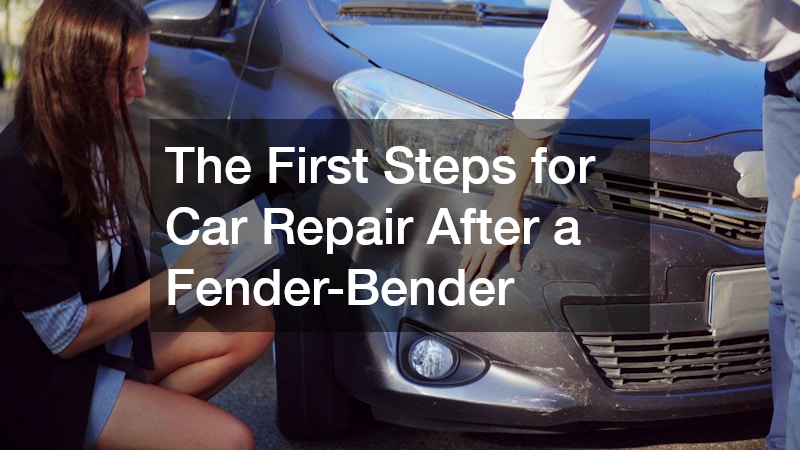
Accidents can happen to even the most cautious drivers, and knowing how to respond in the moment is critical. Staying calm and focused allows you to assess the situation clearly and take the appropriate actions. Even if the accident seems minor, there may be underlying damage that isn’t visible at first glance. Seeking collision repair services ensures that all aspects of the damage are properly addressed. Acting quickly after an accident helps prevent further complications and delays.
Immediate steps after a collision:
- Check for injuries and ensure everyone is safe
- Move vehicles to a safe location if possible
- Contact emergency services when necessary
- Exchange information with other drivers
- Take clear photos of all vehicles and surroundings
Hidden damage is more common than you think
After an accident, problems may not be visible:
- Frame misalignment
- Suspension damage
- Electrical issues
- Internal component stress
An expert in auto body collision repair can identify and resolve these hidden issues before they become serious hazards.
Insurance and repair tips
Once the immediate situation is under control, it’s important to begin the repair and claims process as soon as possible. Contact your insurance provider promptly and provide them with all necessary documentation. Acting quickly helps protect both your vehicle and your financial investment.
Understanding Transmission Issues Before They Get Worse
Your vehicle’s transmission is one of its most essential and complex components, responsible for transferring power from the engine to the wheels. Because of its complexity, transmission problems can be both difficult to diagnose and expensive to repair if left unchecked. However, catching these problems early can significantly reduce repair costs and prevent complete system failure. Addressing these concerns promptly can help you avoid extensive auto transmission repairs or more involved automatic transmission repairs. Staying proactive with maintenance can extend the life of your transmission significantly.
Early symptoms to watch for:
- Delayed or rough shifting
- Slipping gears during acceleration
- Burning smells
- Fluid leaks under the vehicle
- Unusual noises when driving
Manual vs. automatic concerns
Automatic systems often involve:
- Fluid pressure issues
- Torque converter problems
- Electronic control failures
Repair vs. replacement
When transmission issues arise, the best course of action depends on the severity of the problem. Minor issues may only require a fluid change or seal replacement, while more complex problems could involve repairing specific components. Acting early gives you more options and helps prevent complete transmission failure.
Keeping Your Vehicle Safe with Proper Brake Maintenance
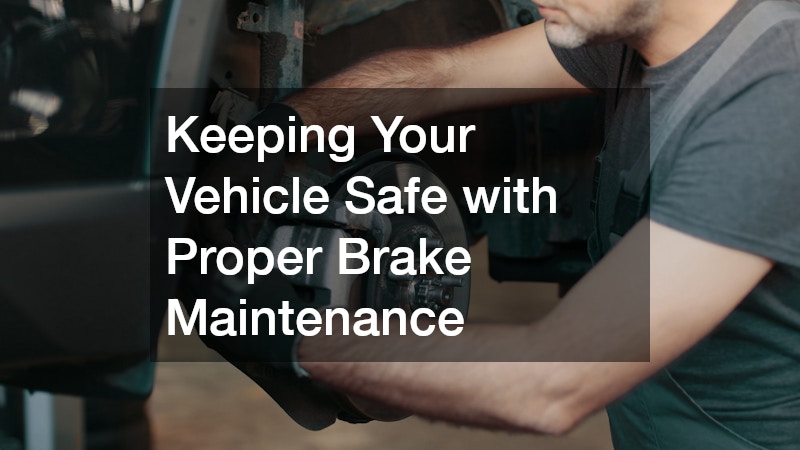
Brakes are one of the most critical safety features of any vehicle, and maintaining them properly is essential for safe driving. Over time, brake components wear down due to regular use, making routine inspections and maintenance crucial. Understanding the warning signs and taking action early can help prevent accidents and costly repairs. Prioritizing brake service and working with reliable auto repair services can make a significant difference in your vehicle’s safety. Proper brake care also improves overall driving confidence.
Signs your brakes need attention:
- Squeaking or squealing sounds
- Grinding noises
- Vibrations when braking
- Longer stopping distances
- Warning lights on the dashboard
Routine maintenance tips:
- Inspect brake pads regularly
- Replace worn components promptly
- Check brake fluid levels
- Schedule professional inspections
Why you shouldn’t delay
Delaying brake maintenance can lead to more extensive damage and higher repair costs. Reduced braking performance also increases the risk of accidents, putting you and others on the road in danger. Consistent maintenance is the best way to avoid unexpected problems.
Fixing Windshield Damage Before It Spreads
Windshield damage is one of the most common issues drivers face, yet it’s often underestimated. Small chips or cracks may seem insignificant at first, but they can quickly expand due to temperature changes, road vibrations, or moisture. Addressing the issue early is key to avoiding more expensive repairs or replacements. Prompt windshield repairs and professional auto glass repair services help ensure your safety and prevent further damage. Taking quick action can preserve the integrity of your windshield.
Types of windshield damage:
- Chips from flying debris
- Cracks from impact
- Stress fractures caused by temperature changes
When to repair vs. replace:
- Repair small chips and short cracks
- Replace larger or obstructive damage
Preventative tips
Preventing windshield damage isn’t always possible, but there are steps you can take to reduce the risk. Avoid following large trucks too closely, as they can kick up debris that may strike your windshield. Addressing small chips immediately is one of the most effective ways to prevent them from spreading.
Why Proper Wheel Alignment Improves Performance and Safety
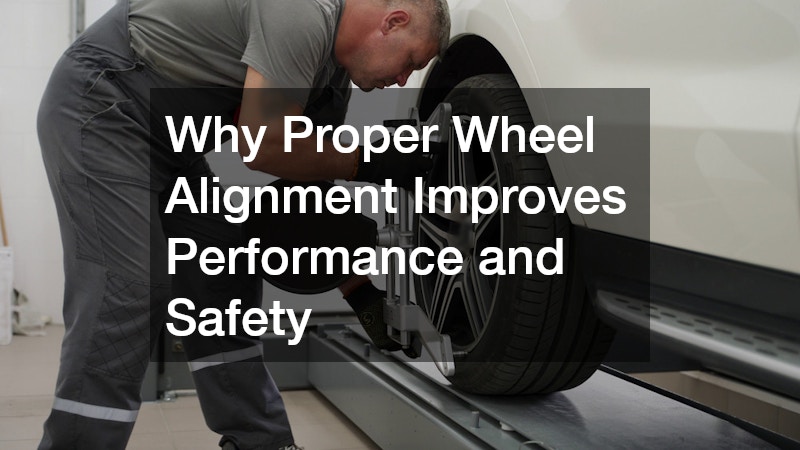
Wheel alignment plays a crucial role in how your vehicle handles, how evenly your tires wear, and how efficiently your car operates. Misalignment can occur gradually over time or suddenly after hitting a pothole or curb. Driving with poor alignment can lead to decreased fuel efficiency and increased strain on your vehicle’s suspension system. Visiting a trusted car alignment shop or seeking professional auto repair services ensures your vehicle stays in optimal condition. Maintaining alignment also contributes to a smoother driving experience.
Signs of misalignment:
- Vehicle pulling to one side
- Uneven tire wear
- Off-center steering wheel
- Vibrations while driving
Benefits of proper alignment:
- Improved handling and control
- Longer tire lifespan
- Better fuel efficiency
When to check alignment
It’s a good idea to check your alignment periodically, even if you don’t notice obvious issues. Situations like hitting a pothole or noticing uneven tire wear should prompt an inspection. Keeping your wheels properly aligned ensures a smoother ride and better overall performance.
Dealing with Weather-Related Vehicle Damage Effectively
Weather can have a significant impact on your vehicle, especially during severe storms or extreme conditions. From hailstorms to heavy winds, environmental factors can cause both cosmetic and structural damage. Even small dents or scratches can lead to long-term issues like rust if not addressed properly. Seeking professional auto hail damage repair or auto body collision repair can restore your vehicle and prevent further complications. Staying alert after storms helps you catch damage early.
Common types of weather damage:
- Hail dents
- Falling debris damage
- Paint scratches
- Water-related issues
What to look for:
- Dents on exposed surfaces
- Cracked lights or mirrors
- Signs of moisture inside the vehicle
Prevention tips
While you can’t control the weather, you can take steps to minimize potential damage. Parking in a garage or under a covered area provides the best protection during storms. Staying informed about weather forecasts allows you to prepare in advance when severe conditions are expected.
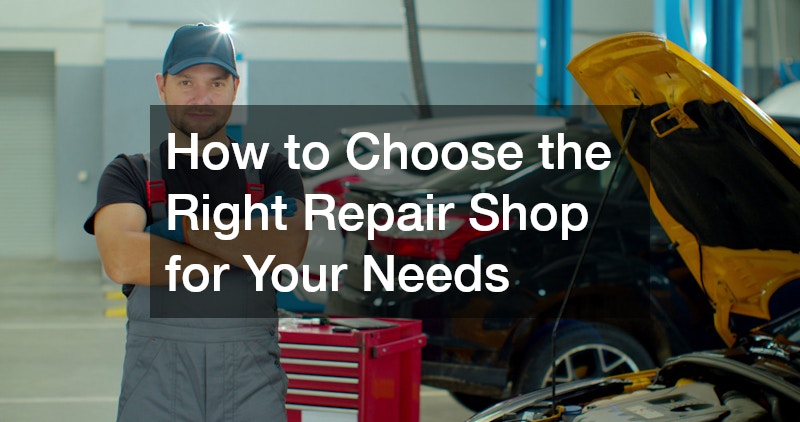
How to Choose the Right Repair Shop for Your Needs
Finding the right repair shop can make a significant difference in the quality and reliability of your vehicle repairs. With so many options available, it’s important to know what sets a trustworthy shop apart. Experienced technicians, proper certifications, and transparent pricing are all key factors to consider. Whether you need collision repair services or specialized auto glass repair, selecting a reputable provider is essential. Making the right choice ensures long-term satisfaction with your repairs.
What to look for:
- Certified and experienced technicians
- Positive customer reviews
- Clear and detailed estimates
- Warranty options
Questions to ask:
- What experience do you have with this type of repair?
- How long will the repair take?
- What parts will be used?
Red flags to avoid
Not all repair shops operate with the same level of professionalism, so it’s important to watch for warning signs. Vague estimates, lack of certifications, and poor communication can indicate unreliable service. Choosing carefully helps ensure your vehicle is in good hands.
Preventive Maintenance Tips to Avoid Expensive Repairs
Preventive maintenance is one of the most effective ways to keep your vehicle running smoothly and avoid costly repairs. By staying consistent with maintenance, you can catch problems early and address them before they escalate. Drivers who prioritize maintenance often experience fewer breakdowns and lower repair costs. Regular upkeep reduces the likelihood of needing major automatic transmission repairs or urgent brake service. A well-maintained vehicle is also more reliable and efficient.
Essential maintenance tasks:
- Regular oil changes
- Tire rotation and balancing
- Fluid checks and replacements
- Brake inspections
Simple habits that make a difference:
- Drive smoothly and avoid aggressive acceleration
- Follow recommended service intervals
- Address minor issues immediately
Create a maintenance schedule
Establishing a routine maintenance schedule helps ensure nothing gets overlooked. Monthly checks of fluid levels and tire pressure can prevent small issues from becoming serious problems. Consistency is the key to long-term reliability.
Smart Strategies for Managing Repair Costs
Car repairs can be expensive, but there are practical ways to manage costs without sacrificing quality. Understanding when to repair versus replace a component can make a big difference in your overall expenses. Being informed allows you to make smarter decisions and avoid unnecessary costs. Addressing issues like auto hail damage repair or scheduling timely windshield repairs can help you avoid more significant expenses in the future. Planning ahead also reduces financial stress when repairs arise.
Smart ways to save:
- Compare multiple repair estimates
- Use insurance when applicable
- Take advantage of warranties
- Fix issues early
Repair vs. replacement decisions:
- Repair minor damage when possible
- Replace parts when safety is compromised
Budgeting tips
Planning ahead for vehicle expenses can help reduce financial stress when repairs are needed. Setting aside a small monthly amount for maintenance and repairs creates a safety net for unexpected issues. Taking a proactive approach to budgeting ensures you’re never caught off guard.
Staying Ahead of Repairs for a Safer Driving Experience
Understanding common vehicle repairs empowers you to take control of your car’s condition and your safety on the road. When you recognize early warning signs and stay consistent with maintenance, you reduce the risk of breakdowns and costly repairs. Being proactive allows you to address small issues before they turn into major problems. Over time, these practices not only save money but also extend the life of your vehicle. Staying informed helps you make smarter decisions and maintain confidence behind the wheel.