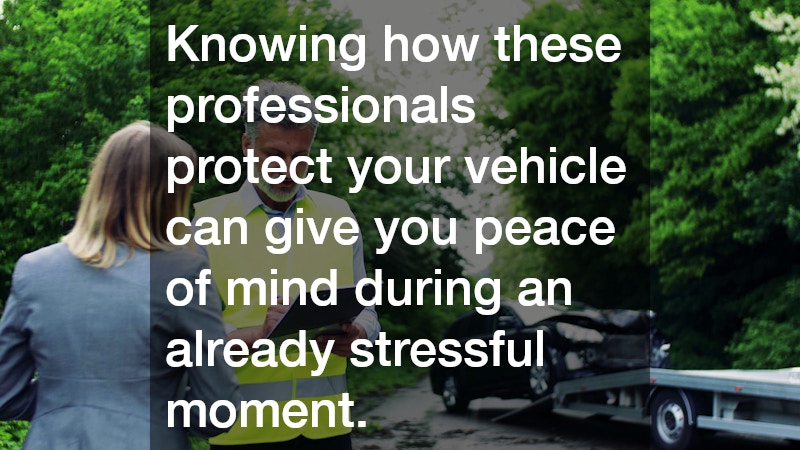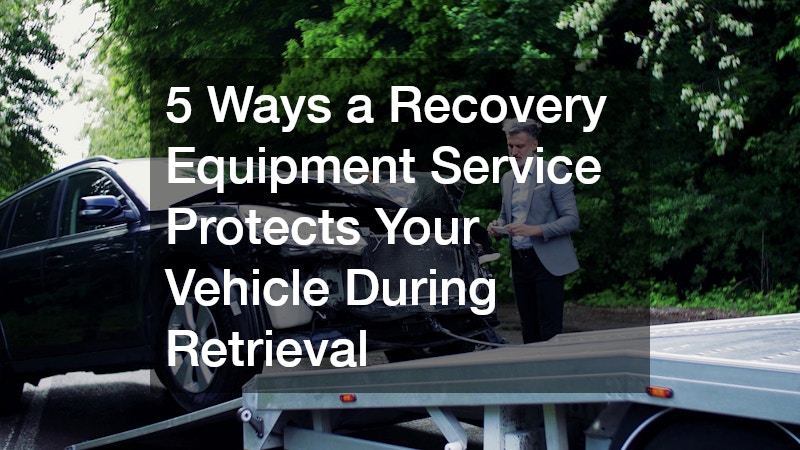
When your vehicle breaks down, slides off the road, or becomes stuck after an accident, the last thing you want is additional damage during the retrieval process. That’s why working with a professional recovery equipment service is such an important step in protecting your vehicle. Experienced operators rely on advanced tools, industry-standard procedures, and careful techniques to move your car safely from any environment. Whether you’re dealing with a simple roadside incident or a more complicated recovery, knowing how these professionals protect your vehicle can give you peace of mind during an already stressful moment.
1. Using the Proper Equipment for the Situation
One of the biggest advantages of working with trained operators is their ability to choose the correct equipment for each recovery scenario. Cars, SUVs, trucks, and specialty vehicles all require different approaches to avoid additional damage.
Professionals assess your vehicle’s weight, position, and condition before selecting the safest method. This may include wheel-lift systems, flatbed trucks, winches, soft straps, or stabilizing tools designed to prevent unnecessary strain on your vehicle. Many towing and recovery equipment services invest in high-quality, well-maintained machinery to ensure maximum reliability. This level of precision protects everything from your suspension to your exterior finish, reducing the risk of scratches, bends, or misalignment.
2. Preventing Additional Damage with Correct Hook-Up Techniques
Improper hook-ups are one of the most common causes of vehicle damage during DIY or inexperienced towing attempts. A trained recovery equipment service understands exactly where and how to attach straps, chains, or hooks based on your vehicle’s make and model. Professionals avoid sensitive mechanical components, low-hanging areas, and delicate structural points that could bend or crack under pressure. By securing the vehicle correctly, operators prevent issues such as bumper damage, frame twisting, and stress to the undercarriage. This attention to detail is a major reason towing and recovery equipment services have become the preferred solution for drivers seeking safe, damage-free vehicle retrieval.
3. Stabilizing the Vehicle Before Movement
A vehicle in distress—especially one stuck in mud, snow, or a ditch—must be stabilized before it can be safely moved. Recovery specialists understand that attempting to pull or lift a vehicle too quickly can cause it to shift, roll, or sink deeper into its surroundings.
Stabilization may involve:
- Adjusting the vehicle’s weight distribution
- Using wedges or blocks
- Securing the wheels
- Applying controlled winching techniques
These steps help prevent additional sinking, scraping, tipping, or rolling. The goal is to maintain full control from start to finish so the vehicle can be transitioned smoothly onto stable ground. It’s another stage where towing and recovery equipment services play a vital role in ensuring a careful, damage-preventing process.
4. Using Flatbed Trucks for Added Protection
Although not every situation requires a flatbed truck, this option offers one of the safest ways to transport a vehicle after retrieval. Unlike traditional tow trucks that lift only two wheels off the ground, flatbeds keep the entire vehicle fully supported throughout the journey. This method eliminates wear on the drivetrain and suspension, which is especially important for all-wheel-drive, luxury, and performance vehicles. It also prevents road debris, uneven dragging, and accidental contact with the pavement. A professional recovery equipment service will recommend a flatbed when it’s the best option for protecting your car’s structure and mechanical components. This ensures the vehicle arrives at its destination in the same condition it was in when loaded onto the truck.
5. Applying Slow, Controlled Movements During Retrieval
Vehicle recovery isn’t a fast process—nor should it be. Rushed movements can cause a vehicle to swing, drag, scrape, or tip in ways that create expensive damage. That’s why trained operators apply slow, deliberate, and controlled techniques when winching, lifting, or loading a vehicle.
They monitor the vehicle’s movement from multiple angles, communicate with any assisting personnel, and make micro-adjustments to avoid strain or imbalance. This careful, methodical approach prevents sudden jolts, unexpected shifts, and issues that could compromise your vehicle’s safety. A recovery equipment service understands that the goal isn’t just to remove the vehicle from a difficult spot—it’s to do so with the highest level of protection.
Retrieving a vehicle after an accident or roadside breakdown can feel overwhelming, but working with a trusted recovery equipment service makes a major difference in protecting your investment. From selecting the right tools to using precise stabilization and controlled techniques, these professionals ensure your vehicle is handled with care at every stage. Whether you drive a compact car, a heavy-duty truck, or a luxury model, choosing trained operators helps prevent unnecessary damage and keeps the retrieval process safe, smooth, and efficient. The right team understands how important your vehicle is to you and uses industry-leading practices to preserve its integrity from the moment they arrive until it reaches its final destination. When the unexpected happens, knowing that skilled operators and professional equipment are available can give you peace of mind. That’s the value of dedicated recovery specialists—protecting both you and your vehicle during difficult moments on the road.