Proper car care is essential for ensuring the safety, longevity, and performance of your vehicle. Many drivers focus solely on fuel efficiency or keeping the car clean, but numerous aspects of vehicle maintenance often go overlooked. A well-maintained car not only performs better on the road but also helps prevent costly repairs in the future. Regular inspections, timely repairs, and preventative measures are key components of responsible car ownership. Beyond the mechanical aspects, understanding how your car operates, recognizing early signs of potential issues, and adopting safe driving habits all contribute to a reliable driving experience. Taking a proactive approach to vehicle care can significantly reduce stress and unexpected expenses for drivers. Cars that are consistently maintained retain higher resale value, experience fewer breakdowns, and provide a safer environment for passengers.
Protecting Your Vehicle’s Exterior Finish
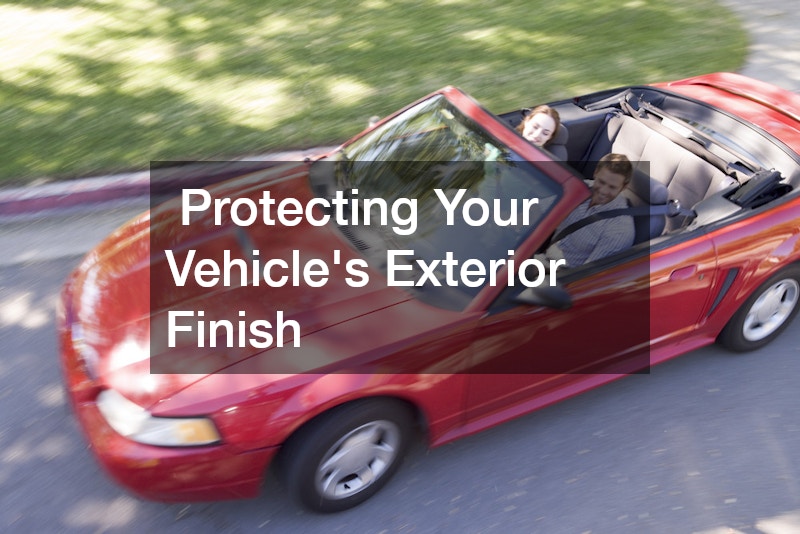
A vehicle’s exterior is the first line of defense against environmental damage, and proper protection is crucial for maintaining both appearance and longevity. Factors like UV rays, acid rain, road debris, and harsh cleaning chemicals can deteriorate paint and lead to rust or fading over time. While regular washing and waxing help, advanced protective measures, such as coatings and sealants, offer more durable results. Maintaining a strong exterior not only preserves a car’s aesthetic value but also prevents long-term structural damage that can be expensive to repair. Protecting the exterior is therefore a proactive step in comprehensive car care, combining cosmetic appeal with functional benefits. One effective method of enhancing exterior protection is the application of auto ceramic coating. This specialized liquid polymer forms a chemical bond with the vehicle’s factory paint, creating a shield that resists minor scratches, UV damage, and chemical stains. Unlike traditional wax, ceramic coatings provide long-lasting protection and reduce the frequency of maintenance. Additionally, they make the surface hydrophobic, meaning water and dirt are less likely to adhere, which simplifies cleaning.
Improving Visibility and Interior Comfort
Comfort and visibility inside a vehicle play a major role in both safety and driving enjoyment. Excessive sunlight, glare, and heat can distract drivers and make conditions uncomfortable for passengers. Over time, prolonged exposure to UV rays can also damage upholstery, fade interior materials, and reduce the effectiveness of cabin electronics. Maintaining a comfortable interior is not just a luxury; it contributes to alertness, reduces fatigue, and enhances overall driving safety. Measures to control light, temperature, and privacy can significantly improve the driving experience while protecting the interior components of the vehicle. Window tinting is a practical approach that addresses multiple interior concerns. By applying a thin, tinted film to the windows, drivers can reduce glare from sunlight, keep the cabin cooler, and limit exposure to harmful UV rays. The added layer of privacy can also provide a sense of security for passengers and protect valuables inside the vehicle. Modern tinting options come in various shades and strengths, allowing customization to meet specific needs while remaining compliant with local laws.
Brake System Awareness and Safety
The brake system is one of the most critical components of any vehicle, directly impacting driver safety and vehicle performance. While many drivers may take brakes for granted, regular monitoring and understanding how they function can prevent accidents and costly repairs. Brakes are more than just pads and rotors; they include hydraulic systems, calipers, and other components that work together to safely stop a moving vehicle. Understanding how braking works, recognizing signs of wear, and performing routine maintenance are essential parts of responsible car ownership. Beyond mechanical maintenance, driver awareness of braking behavior in different conditions—such as wet roads or heavy traffic—also enhances safety. Routine inspection and timely service are crucial for maintaining braking performance. Worn pads, warped rotors, or low brake fluid levels can compromise stopping power and increase the risk of accidents. Brake systems should be checked regularly for unusual noises, vibrations, or changes in responsiveness. Modern vehicles may also have electronic braking components, such as ABS sensors, that require diagnostic attention. Utilizing professional services for thorough brake inspections ensures that every component functions as intended, minimizing risk. Whether it’s a minor pad replacement or a complete system overhaul, addressing braking issues promptly maintains safety, improves driving confidence, and prolongs the life of the system.
Knowing Where to Go After Vehicle Damage
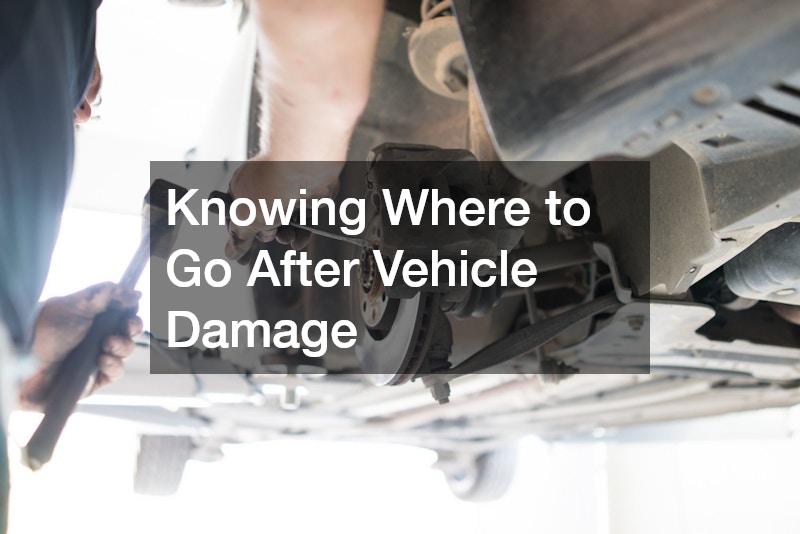
Accidents and unexpected damage can occur even for the most careful drivers, making it important to understand the proper steps for repairs and vehicle recovery. Knowing where to take your vehicle after a collision ensures that repairs are handled efficiently, safely, and to a high standard. Collision damage can vary widely, from minor dents and scratches to structural damage that affects drivability. Choosing the right repair provider impacts both the quality of the work and the vehicle’s long-term value. Being informed ahead of time about available options reduces stress and prevents rushed decisions in urgent situations. A collision shop specializes in restoring vehicles to their pre-accident condition, handling everything from bodywork to paint matching and structural repairs. Experienced technicians assess damage, provide detailed estimates, and use professional equipment to ensure repairs meet safety and aesthetic standards. Many shops also work directly with insurance providers to streamline claims, reducing administrative burden for the driver. Visiting a reputable collision shop can prevent further issues, such as alignment problems or paint deterioration, which might arise from improper repairs. For anyone facing damage from a car accident, professional collision repair ensures the vehicle is safe, functional, and visually restored.
Choosing a Reliable Service Provider
Selecting a trustworthy auto shop is essential for maintaining a vehicle’s performance and preventing costly issues over time. Not all repair facilities offer the same level of expertise, equipment, or customer service, which can directly affect the quality and longevity of the work performed. A reliable service provider offers transparency, professional diagnostics, and adherence to industry standards, ensuring that repairs are both safe and effective. For drivers, knowing how to identify a reputable auto shop provides peace of mind and protects their investment, as well as the safety of themselves and their passengers. When evaluating an auto shop, several factors help determine reliability. Look for certifications, customer reviews, and the range of services offered. A reputable shop should communicate clearly about costs, timelines, and repair options, offering detailed explanations for recommended work. Modern vehicles often require specialized equipment and training, particularly for diagnostics, electronics, or hybrid systems, so choosing a shop that stays up-to-date is critical.
Understanding Legal Support After an Incident
Experiencing a car accident can be overwhelming, both emotionally and financially, making legal guidance essential in many situations. Understanding the role of a car accident attorney helps drivers navigate claims, liability questions, and potential disputes with insurance companies. Attorneys provide expert advice on rights, responsibilities, and potential outcomes after a collision, ensuring that victims are treated fairly. Legal support is not only about pursuing compensation; it also provides clarity in complex situations where fault, medical expenses, and property damage intersect. Drivers who understand how to access these services often feel more confident handling the aftermath of an accident. A car accident attorney can be instrumental in managing the legal process efficiently. They investigate the accident, gather evidence, and communicate with insurance agencies to protect the client’s interests. Attorneys can also negotiate settlements, represent clients in court if necessary, and ensure that compensation covers medical bills, lost wages, and vehicle repair costs. For drivers who may be unfamiliar with legal procedures, hiring a professional helps avoid common mistakes that could reduce the compensation received. By consulting an experienced attorney, individuals gain peace of mind and access to expertise that ensures their case is handled properly from start to finish.
How Coverage Affects Repairs and Claims
Insurance plays a critical role in vehicle ownership, particularly when it comes to repairs after accidents or other damages. Understanding how coverage works allows drivers to make informed decisions about repairs, costs, and claims. Not all insurance policies are the same; differences in coverage types, deductibles, and limits can significantly affect the repair process. For vehicle owners, knowing the details of their policy helps prevent unexpected expenses and ensures that repairs are performed correctly without financial strain. Beyond financial protection, proper coverage also helps maintain the long-term value and safety of the vehicle. Insurance agencies assist drivers by managing claims, evaluating damage, and determining appropriate coverage for repairs. Policyholders often rely on their agents to explain the claims process, recommend approved repair facilities, and guide them through the necessary documentation. Agencies also verify that repairs meet safety and quality standards, ensuring that vehicles are restored to roadworthy condition. In cases of major accidents, insurance coverage can make the difference between affordable repairs and prohibitive out-of-pocket expenses.
Transportation Options During Repairs
When a vehicle is in the shop for maintenance or repairs, having access to alternative transportation becomes essential for maintaining daily routines. Depending on the length of repair or the type of vehicle work required, drivers may need temporary solutions to commute to work, school, or other responsibilities. Planning for these situations reduces disruption and stress, allowing individuals to continue daily activities without significant inconvenience. Understanding available transportation options is part of responsible car ownership and ensures that unexpected repairs don’t completely halt mobility. Rental vehicles are a common and convenient solution during repair periods. Renting a car allows drivers to maintain schedules while their own vehicle is serviced, whether for routine maintenance, collision repairs, or mechanical work. Many repair shops coordinate with rental providers to make the process seamless, often offering discounted rates or convenient pickup and drop-off services. This option ensures that drivers can meet personal and professional obligations without relying on public transportation or rides from others. For anyone facing extended repair timelines, rentals provide freedom, reliability, and peace of mind during the repair process.
What to Do When Your Vehicle Breaks Down
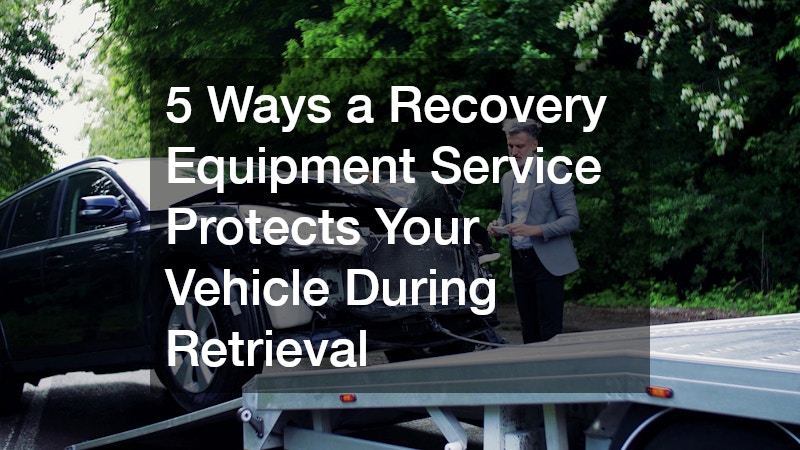
Vehicle breakdowns can happen unexpectedly, leaving drivers in potentially unsafe situations. Understanding the steps to take when a car fails ensures both safety and a smoother resolution. Immediate actions such as moving the vehicle to a safe location, activating hazard lights, and assessing the situation are critical. Knowing basic troubleshooting techniques—such as checking battery connections, fuel levels, or overheating signs—can sometimes prevent a minor issue from escalating. Planning for emergencies helps drivers respond calmly and efficiently when breakdowns occur, minimizing disruption and stress. Engaging a professional towing service is often necessary when a vehicle cannot be safely restarted or driven. Towing services provide secure transport to repair shops, reducing the risk of further damage or accidents. Many providers offer roadside assistance, jump-starts, tire changes, and lockout services, making them versatile for various emergencies. Choosing a reliable towing company ensures that your vehicle is handled safely and arrives at the repair facility without additional problems.
Understanding Warning Lights and Indicators
Dashboard warning lights and indicators are vital tools that inform drivers about the condition of their vehicle. Ignoring these alerts can lead to serious mechanical issues or decreased safety. While many drivers recognize basic signals like low fuel or engine check lights, other indicators—such as temperature warnings or system-specific alerts—may be less familiar. Learning what each light represents and how to respond ensures timely maintenance and prevents minor problems from turning into costly repairs. Familiarity with these indicators is an essential aspect of proactive vehicle care. Certain warning lights may indicate issues that require specialized services, such as ac repair for climate control problems. When the air conditioning system malfunctions, the dashboard may display a specific alert, signaling the need for inspection. A trained technician can diagnose issues ranging from refrigerant leaks to compressor failure, ensuring the system is restored to optimal performance. Promptly addressing these warnings not only improves comfort and air quality inside the vehicle but also prevents damage to other engine components.
Comprehensive car care extends far beyond simple oil changes or routine cleaning. It involves understanding vehicle systems, recognizing early signs of mechanical issues, and knowing how to respond to emergencies or unexpected situations. From protecting the exterior finish and maintaining braking performance to navigating legal and insurance processes, each aspect of vehicle maintenance contributes to safety, reliability, and long-term value. Drivers who take a proactive approach to care reduce the risk of costly repairs, improve performance, and enhance overall driving comfort. By addressing both preventive and reactive measures, vehicle owners gain confidence on the road. Utilizing services like auto ceramic coating, window tinting, brake inspections, collision shops, and professional repair facilities ensures that each part of the vehicle functions properly. Additionally, knowing how to work with insurance agencies, rental services, towing providers, and legal experts prepares drivers for unexpected incidents.